Vehicle & Commercial Window Tinting Chicago: Keep the Heat Out. Keep the Interior Looking New.
Commercial window tinting in Chicago, cut and fitted to your vehicle rather than a stock template. Tint keeps cabin heat down and slows interior fade on vans and trucks that sit in the sun all day between stops, which is most of them.
With 19,400+ vehicles wrapped, we use top-tier films and expert techniques to guarantee your Chicago vehicle not only achieves a flawless aesthetic but also superior protection against the elements and UV rays.
Why Window Tinting?
Three reasons, in the order customers actually give them. Heat, because a van that sits in the sun between stops turns into an oven and the driver pays for it all afternoon. Fade, because UV bleaches a dash, a seat and anything in the cargo area with a printed label on it. Privacy, because a van with glass and tools in the back is an invitation.
Window film is not wrap film. Wrap vinyl is cast, it goes on painted sheet metal, and it is applied from the outside. Window film is a polyester laminate, it goes on the inside face of the glass, and it is mounted wet. Same shop and the same bays, but a different product and a different set of hands.
Dyed, carbon, or ceramic?
Dyed film is the entry point. It darkens glass and cuts glare, and in a cheap grade it is the film that eventually turns purple and bubbles. Carbon film holds its color and rejects more heat than dyed without looking metallic. Ceramic is the one worth paying for on a work vehicle, because it rejects infrared heat at a given shade instead of relying on being dark, and it does not interfere with a phone, a radio, GPS or a telematics antenna the way older metallized films could. If the goal is a cooler cab rather than a darker window, ceramic is the answer.
Our Window Tinting Process
Confirm the vehicle and the goal. Year, make, body style, which glass, how dark, and whether this is about heat, privacy or both. Vehicle class is what decides how dark the front doors can legally go.
Clean the glass properly. Scrape, wash and squeegee the inside face, then drop the top edge of each door glass to reach the strip that hides in the channel. Almost every speck trapped under a finished tint job got missed at this step.
Cut and shrink. Film is sized on the outside of the glass or plotted from a pattern. Back glass is a compound curve, so the film is heat-shrunk on the outside until it lies flat before it ever goes inside.
Mount wet, from the inside. The film floats on a mounting solution, gets squeegeed out to the edges, and is trimmed to the dot matrix band and clear of the defroster lines.
Final look under shop lights, then a cure window. Haze and small water pockets are normal for the first few days while the mounting solution works its way out through the film.
Leave the windows up while that happens. Rolling a door glass down before the adhesive has set is the most common way a fresh tint job ends up with a peeled top edge.
What is legal on a Chicago work vehicle?
The number that governs this is visible light transmission, the share of light that the glass plus the film lets through. A lower number means a darker window. Illinois sets a floor for the windows beside the driver, and that floor is not the same for every vehicle class: a passenger car and a multipurpose passenger vehicle such as a cargo van or an SUV are treated differently, and glass behind the driver is treated differently again.
We are not going to quote you a statute from memory. We check your vehicle class against the current Illinois code before any film is cut, tell you what is legal on that specific body, and then you decide. Blacked out behind the B pillar and left legal up front is a normal job and we do it constantly. If you want something that will not pass, we will say so rather than sell it and let a traffic stop be the thing that tells you.
Glass a van may not have
Half the vans that come in have no rear glass at all. On a panel van the whole job is two front doors and sometimes a strip at the top of the windshield. On a crew van or a passenger wagon the cargo-area glass is where film does the most good, because that is what keeps product and equipment in the back from cooking through an August afternoon on the Dan Ryan.
Tint on a wrapped van: what goes on first?
Order matters here and it trips people up. Tint lives on the inside of the glass. Printed perforated window vinyl, the material that lets a driver see out through a graphic, lives on the outside. The two do not fight each other, but we sequence them so the glass is tinted and cured before any perf goes on the outside, and so nobody squeegees an outside graphic over film that has not set.
Tint does not go over a wrap, and it is not a substitute for one. A wrap carries your brand on painted panels; film handles the glass. On a fleet that gets both, doing them in one visit saves you a second trip across town, and the vehicle only loses a day once.
Taking old film off
We strip failed tint as well as install new. Dyed film that has gone purple and brittle comes off in pieces and leaves its adhesive behind, so the work is steam, patience and an adhesive remover rather than a fast pull. Back glass is the careful part, because the defroster lines sit on the inside face right under the film and a hurried pull takes them with it. If a vehicle has bad film on it, we would rather strip it properly and start on clean glass than lay new film over a failing bond.
Where the work happens
All of it happens indoors at 4711 N Lamon Ave #7 in Portage Park. Film does not care about your schedule but it cares a great deal about temperature. Cold glass makes a mounting solution sluggish and film will not shrink evenly, which is why a January tint job belongs in a heated bay and not in a parking lot. We run five bays across roughly 6,000 square feet with six installers, and there is secure indoor overnight storage if a vehicle needs to stay with us.
Chicago Fleet Wraps is women-owned, carries a 4.9-star average over 51 Google reviews, and has put graphics on 19,400+ vehicles. The company has been wrapping since 2001; the Chicago side of it dates to 2014. Fleets get a volume discount on the standard ladder, which opens at two vehicles: 3 percent for two to four, 7 percent for five to nine, 11 percent for ten through twenty-four, and 15 percent once you are at twenty-five or more. Pickup is free in Cook, DuPage, Kane, Lake, Will and McHenry, which spares you sending drivers across town one at a time.
Give us the vehicle list, the glass on each one, and the shade you have in mind. A real person replies inside 2 business hours, and the line-by-line quote lands within 24 hours of us having the details.
Window tinting Chicago. Chicago Fleet Wraps · (312) 597-1286
Get Your Free Window Tinting Estimate
Tell us the vehicle and which glass you want done, or call (312) 597-1286 and we will go through shades with you.
Last Updated: April 2, 2026
Free Fleet Quote · 2-hour response
Ready to wrap your fleet?
Itemized pricing in your inbox within 24 hours. Not a range. 19,400+ vehicles wrapped. HP Latex, Avery, and 3M films. Pickup across Chicagoland.
“Window tinting lives or dies on the back glass. If the film is not shrunk flat on the outside before it goes in, it will never lie right on the inside, and no amount of squeegee work saves it.”
Written by Reid Houston, Chicago Fleet Wraps. Reviewed by Roy Wraps, Founder. 25 years in the wrap industry. Avery Dennison certified installer; in-house HP Latex printing.
Experience the Difference with Professional Window Tinting in Chicago
When navigating the bustling streets of Chicago, from the Loop to Lincoln Park, the sun's glare can be more than just an annoyance-it's a safety concern. Professional window tinting offers a sophisticated solution, providing enhanced visibility and comfort for drivers and passengers alike. Beyond just aesthetics, our premium tints deliver tangible benefits, transforming your daily commute or business operations.
Arlington Heights fleet van wrap by Chicago Fleet Wraps
At Chicago Fleet Wraps, we bring our renowned precision and quality from vehicle wraps to window tinting services. Our expertly trained technicians use advanced techniques and high-grade materials to ensure a flawless application every time. Whether you're looking to upgrade your personal vehicle or enhance your commercial fleet, we guarantee results that not only meet but exceed your expectations, all within the demanding Chicago climate.
Understanding Window Tinting Materials and Their Benefits
The effectiveness of window tinting largely depends on the quality of the materials used. We exclusively use advanced film technologies, including ceramic and carbon-based tints, designed for superior performance. These materials offer exceptional heat rejection, significantly reducing interior temperatures and easing the strain on your vehicle's AC system, especially during hot Chicago summers.
Beyond temperature regulation, our premium window films provide crucial UV protection, blocking up to 99% of harmful UV rays. This not only safeguards occupants from sun exposure but also prevents interior fading and cracking of upholstery and dashboards. For businesses, this translates to extended vehicle longevity and a more comfortable experience for employees and clients traversing Chicago.
Custom Window Tinting Work for Chicago Businesses
For businesses operating across Chicago's diverse industries, from delivery services in River North to construction companies in Pilsen, window tinting offers a strategic advantage. It provides an added layer of privacy for valuable equipment or sensitive documents carried within your fleet, deterring potential theft and enhancing security. This discreet protection is invaluable for maintaining operational integrity.
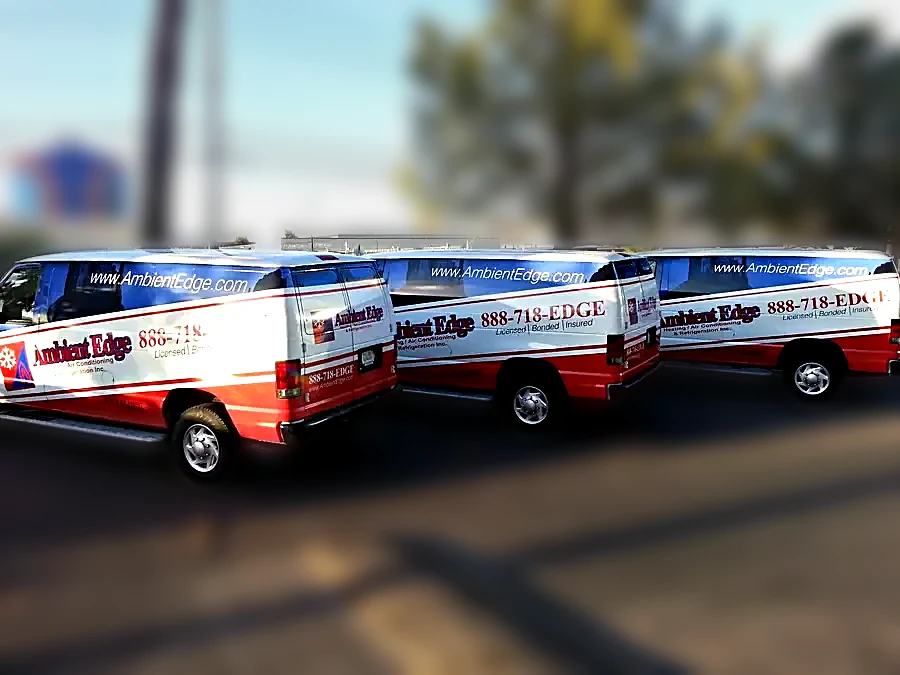
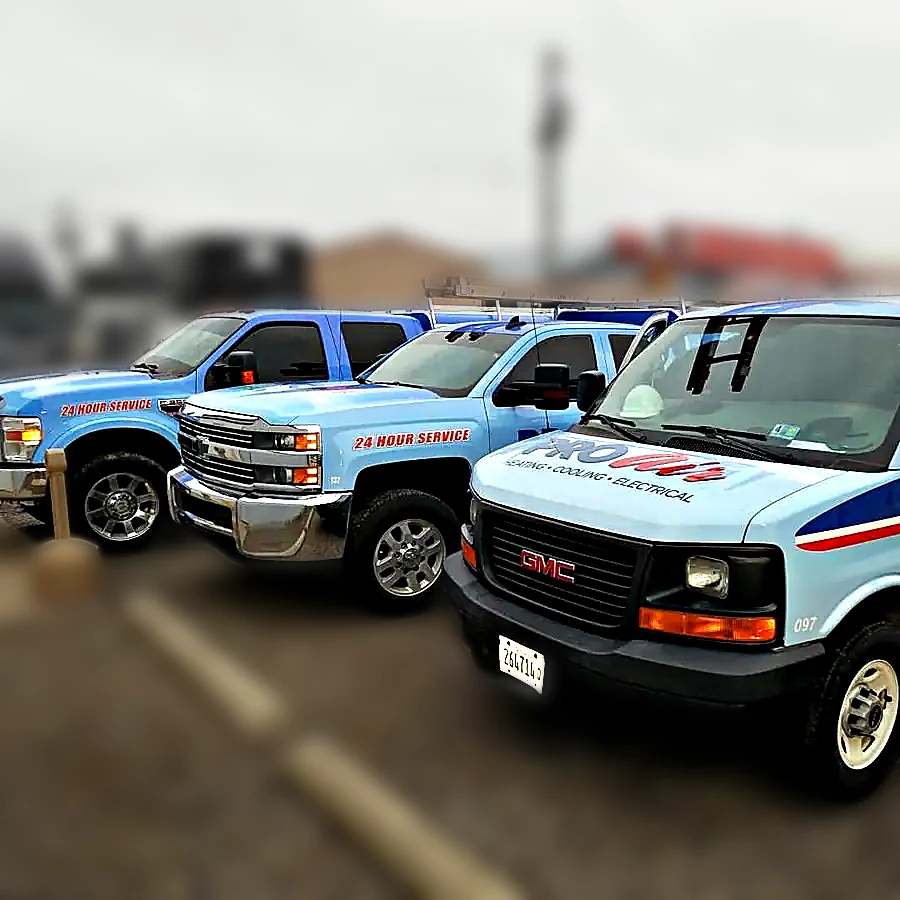
Commercial HVAC fleet van wrap by Chicago Fleet Wraps
Furthermore, tinted windows contribute to a more professional and unified brand image for your commercial fleet. Coupled with our expert vehicle wraps, window tinting completes the aesthetic, projecting an image of sophistication and reliability that resonates with clients throughout the Chicagoland area. It's an investment that pays dividends in both protection and perception.
Window Tinting Installation Process and Timelines
Our window tinting installation process is meticulous, designed to ensure precision and durability. Upon arrival at our facility at 4711 N Lamon Ave #7, your vehicle undergoes a thorough cleaning to prepare the glass surface. Our experienced technicians then custom-cut the film using advanced computer-aided techniques for a perfect fit, eliminating human error and ensuring smooth edges.
The actual application involves careful placement and squeegeeing to remove any air bubbles or imperfections, resulting in a crystal-clear finish. For a standard car, the process typically takes 1.5 to 3 hours, while larger vehicles or full fleet tinting projects will have custom timelines provided during your initial consultation. We prioritize efficiency without compromising on our high standards.
Navigating Illinois Window Tinting Laws
Adhering to Illinois state regulations for window tinting is paramount, and Chicago Fleet Wraps ensures full compliance with every installation. For sedans, the front side windows and windshield are subject to specific Visible Light Transmittance (VLT) percentages, while rear side and back windows have more flexibility. We provide expert guidance to help you choose legal and effective tint levels.
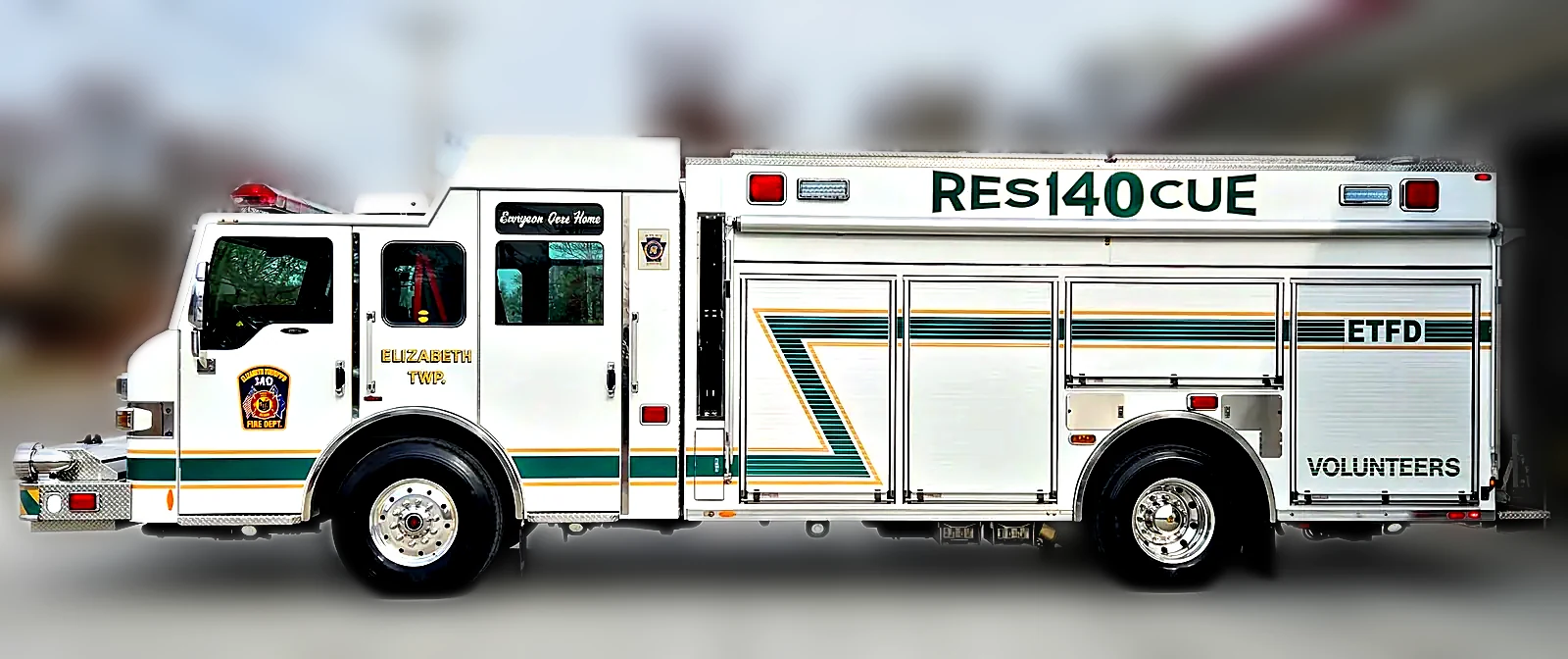
After fire truck wrap by Chicago Fleet Wraps
Our team is well-versed in the nuances of Illinois tint laws, including requirements for commercial vehicles and SUVs, which often have different allowances. We use advanced VLT meters to verify compliance, giving you peace of mind that your tinted windows will pass inspection anywhere from Evanston to Orland Park, avoiding potential fines and legal issues.
Maintenance and Longevity of Your Window Tint
Maintaining your newly tinted windows is straightforward, ensuring their longevity and pristine appearance. We recommend waiting at least 3-5 days before rolling down windows to allow the adhesive to fully cure. For cleaning, simply use a soft cloth and a non-ammonia-based cleaner; harsh chemicals can damage the film and void warranties.
With proper care, our high-quality window tints are designed to last for many years, resisting bubbling, peeling, and fading. Chicago Fleet Wraps stands behind its workmanship with a complete 2-year warranty, providing an extra layer of assurance for your investment. This commitment to quality ensures your tint looks great for the long haul, even with Chicago's unpredictable weather.
The Return on Investment (ROI) of Window Tinting
Investing in professional window tinting offers a significant return, extending beyond immediate comfort and aesthetics. For personal vehicles, it enhances resale value by protecting the interior from sun damage. For businesses, the ROI is quantifiable through reduced fuel consumption (less AC usage) and extended vehicle lifespan, minimizing maintenance costs.
Precision Today HVAC service van by Chicago Fleet Wraps
Moreover, the added security and privacy contribute to lower risk of theft or vandalism, protecting valuable assets. The professional image projected by a well-maintained, tinted fleet can also attract more customers and build brand trust across the competitive Chicago market. It's a smart business decision that yields long-term benefits.
Pricing for Professional Window Tinting in Chicagoland
The cost of professional window tinting varies based on several factors, including the type of vehicle, the number of windows, and the specific film technology chosen (e.g., carbon vs. ceramic). For a standard sedan, pricing typically ranges from $250 to $550 for a complete tint. SUVs and trucks may range from $350 to $700 due to larger glass areas.
Fleet tinting projects are quoted individually, with potential volume discounts for multiple vehicles. Premium ceramic films, offering superior heat rejection and UV protection, are usually at the higher end of the spectrum. We provide transparent, no-obligation quotes after assessing your specific needs, ensuring you understand all costs involved before any work begins at our Chicago facility.
Why Choose Chicago Fleet Wraps for Your Window Tinting Needs?
Choosing Chicago Fleet Wraps means partnering with a company renowned for precision, quality, and customer satisfaction since 2001. We bring the same dedication that has seen us wrap 19,400+ vehicles to our window tinting services. Our experienced team, premium materials, and meticulous installation process guarantee a flawless finish every time.
Chicago Fleet Wraps installation bay by Chicago Fleet Wraps
We understand the unique demands of the Chicago environment and provide work that are not only aesthetically pleasing but also highly functional and durable. From our convenient location at 4711 N Lamon Ave #7 to our free fleet pickup across Chicagoland, we make the process smooth. Trust CFW for superior window tinting that enhances your vehicle's comfort, privacy, and style.
Elevate Your Ride with Premium Window Tinting Chicago Services
Transform your vehicle's aesthetics and enhance its functionality with Chicago Fleet Wraps' expert window tinting Chicago services. Beyond just a sleek look, our premium tints offer significant benefits for drivers across the Chicagoland area, from Lincoln Park to Naperville. Experience improved privacy, reduced glare, and a cooler interior, making your daily commute on the Kennedy Expressway or a weekend drive to Lake Michigan far more comfortable.
Wrapping vehicles since 2001 and in Chicago since 2014, Chicago Fleet Wraps has been a trusted name for vehicle enhancements in the Windy City. Our commitment to quality extends to every window tinting Chicago installation, ensuring a flawless finish every time. We understand the unique demands of Chicago's climate and traffic, which is why we offer work that stand the test of time and provide lasting value for your car, truck, or SUV.
Advanced Window Film Technology for Chicago's Drivers
At Chicago Fleet Wraps, we use the most current window film technologies for all our window tinting Chicago projects. Our films, including ceramic and carbon options, are engineered to provide superior UV protection, blocking up to 99% of harmful rays. This not only safeguards your vehicle's interior from fading but also protects you and your passengers from sun exposure during those long drives through the Loop or on I-90.
Orland Park fleet graphics install by Chicago Fleet Wraps
Our high-performance films boast excellent heat rejection properties, significantly reducing the internal temperature of your vehicle. This means less reliance on your air conditioning, leading to improved fuel efficiency and a more comfortable cabin, especially during Chicago's hot and humid summer months. Invest in window tinting Chicago from CFW for a cooler, more enjoyable driving experience.
Custom Window Tinting Work and Pricing for Chicagoland
Chicago Fleet Wraps offers a complete range of window tinting Chicago options to suit every preference and budget. Whether you're looking for a subtle enhancement or maximum privacy, our experts will guide you through the various shades and film types, ensuring compliance with Illinois state laws. Our pricing for standard sedans typically ranges from $200-$400, depending on the film type and number of windows, with SUVs and trucks varying slightly.
Custom pickup truck wrap by Chicago Fleet Wraps - Tinley Park install
We pride ourselves on transparent pricing and exceptional service, catering to clients from Evanston to Oak Lawn. Our experienced technicians at our 4711 N Lamon Ave #7 location provide meticulous installation, backed by our 2-year workmanship warranty. For precise window tinting Chicago quotes and to discuss your specific needs, contact us today at (312) 597-1286.
Professional Installation and Unmatched Warranty in Chicago
Choosing Chicago Fleet Wraps for your window tinting Chicago needs means opting for unparalleled expertise and peace of mind. Our installers are masters of their craft, ensuring a bubble-free, perfectly aligned finish every time. We take immense pride in our work, which is why we stand behind every tint job with a strong 2-year workmanship warranty, a testament to our confidence in our team and materials.
Chicago Fleet Wraps install in progress by Chicago Fleet Wraps
Experience the Chicago Fleet Wraps difference. A commitment to quality that has made us a leader in vehicle customization since 2001. Our convenient location in the heart of Chicago makes us easily accessible for residents and businesses across the metropolitan area. Upgrade your vehicle with professional window tinting Chicago services and enjoy enhanced style, comfort, and protection.
Frequently Asked
Window Tint FAQs
What is the legal tint limit in Illinois?
Non-reflective tint is allowed on the top 6 inches of the windshield, and front side windows must let in at least 35% of light. On SUVs, vans, and trucks, the rear side and back windows can be any darkness. We install to Illinois-legal limits.
How much does window tint cost in Chicago?
A full-car tint typically runs $300 to $800 depending on the film type and number of windows, with premium ceramic film at the higher end.
What is the difference between ceramic, carbon, and dyed tint?
Dyed is the budget option and fades. Carbon resists fading and blocks more heat. Ceramic blocks the most heat and infrared while staying non-metallic, so it does not interfere with signals.
Does window tint block UV and heat?
Yes. Quality film blocks up to 99% of UV rays and a large share of infrared heat, keeping the cabin cooler and protecting the interior.
How long does window tint last?
Premium film lasts 10 years or more without bubbling or purpling. Cheap dyed film can fade and turn purple within a couple of years.
Will tint help in Chicago winters and summers?
Yes. It cuts summer heat and glare and reduces winter sun glare off snow, while the film adds a layer that helps hold shattered glass together.
Can you tint commercial vans and box trucks?
Yes. On vans and trucks, the rear and cargo-area windows can be tinted as dark as you want for privacy and heat control under Illinois law.
Does tint reduce glare while driving?
Yes. It cuts glare from sun, snow, and headlights, which reduces eye strain on bright Chicago winter days.
How long does a tint install take?
Most full-car tints are done in 2 to 4 hours, depending on the number of windows and any old film that needs removal.
Can old or bubbling tint be removed and replaced?
Yes. We strip old or failing film, clean the adhesive, and install fresh film.
Is there a warranty on window tint?
Premium films carry a manufacturer warranty against fading, bubbling, and peeling, often for the life of the vehicle.
Chicagoland Coverage
Vehicle Wraps Across Chicagoland
Scheduled fleet pickup and full-service installation across the city and suburbs. Wrapping since 2001 and in Chicago since 2014, with 19,400+ vehicles wrapped.