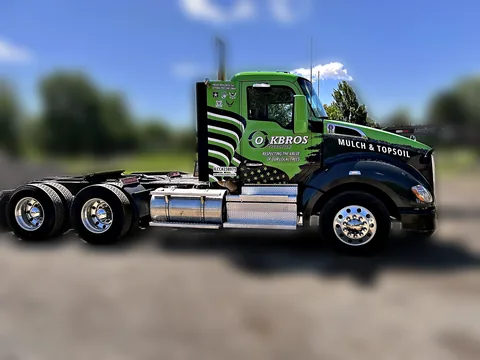
Construction Vehicle Wraps Chicago, Trucks & Vans: Every Job Site Is a Neighborhood Billboard.
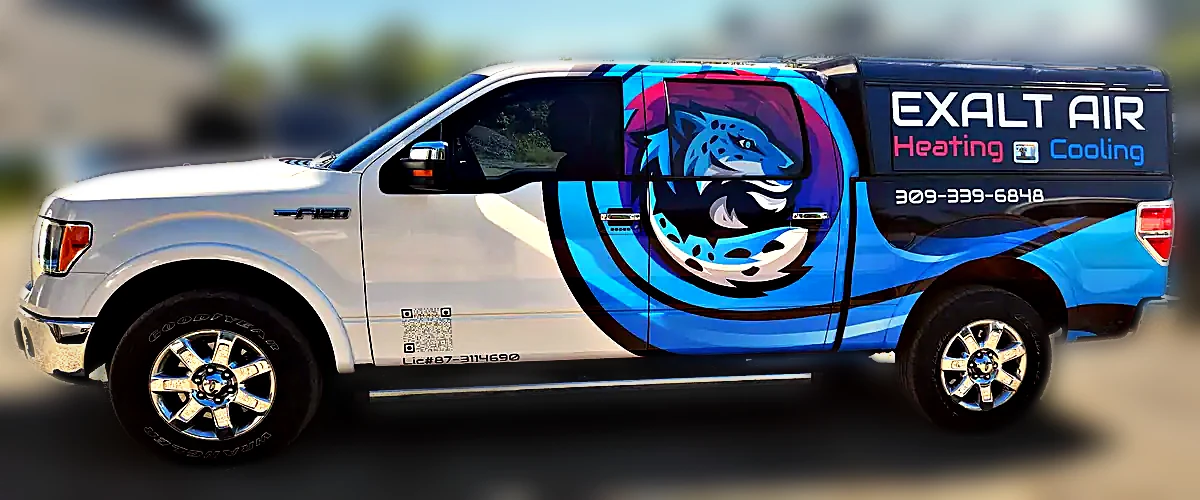
Construction vehicle wraps in Chicago for general contractors and specialty trades. Chicago Fleet Wraps has wrapped thousands of construction trucks, vans, and trailers across Chicagoland in Avery Dennison MPI 1105 and 3M IJ180-CV3 cast vinyl, rated 5 to 7 years outdoor and built for the abuse these vehicles take daily.
- Pickup truck wraps. F-150, F-250, F-350, Silverado, RAM, Tundra
- Dump truck wraps and graphics. Single axle and tandem
- Box truck wraps. 16 to 26 ft construction box trucks
- Cargo van wraps. Construction crew vans and tool vans
- Trailer wraps. Enclosed and flatbed construction trailers
- Equipment decals. Skid steers, excavators, generators
Construction truck wrap pricing: pickup trucks from $3,500, box trucks from $5,300 to $9,200, cargo vans from $4,200. Fleet discounts run from 3% for 2 to 4 vehicles up to 15% for 25 or more. Every construction vehicle wrap includes DOT-compliant lettering, meaning USDOT number, GVW, and company name, as FMCSA regulations require. We design for maximum visibility at job sites and on the road.
Why Do Construction Companies Wrap Their Fleet Vehicles?
Construction companies wrap their fleet because their vehicles are parked at high-visibility job sites for weeks at a time. A branded dump truck, pickup, or van at a construction site generates impressions all day from passing traffic and neighboring businesses.
A wrapped work truck does its advertising where the work is. It sits in a driveway in Beverly for three weeks during a kitchen remodel, then at a strip mall in Schaumburg for a roof tear off, and the neighbors who watch it arrive every morning are the same people who will need a contractor next spring. The trades get more out of a wrap than almost anybody else for that one reason: the vehicle is already parked in front of the customer.
What that demands is legibility rather than cleverness. On a construction fleet we set the trade and the phone number at a size that reads across a street, hold the palette to two or three colors so it still works under a film of dust, and put the license and credential lines where a homeowner standing at the curb will actually see them. Films are Avery Dennison MPI 1105 and 3M IJ180-CV3 cast vinyl under a gloss overlaminate, printed in house.
Chicago Fleet Wrap Pricing
All pricing is based on measured square footage and vehicle complexity. Here are our standard starting prices:
- Cargo Van Full Wrap. From $4,200
- Sprinter 144 Full Wrap. From $4,200
- Box Truck 16 ft. From $5,300
- Box Truck 26 ft. From $9,200
Fleet discounts apply automatically: 3% for 2 to 4 vehicles, 7% for 5 to 9, 11% for 10 to 24, 15% for 25 or more. Use our instant price calculator for your exact vehicle.
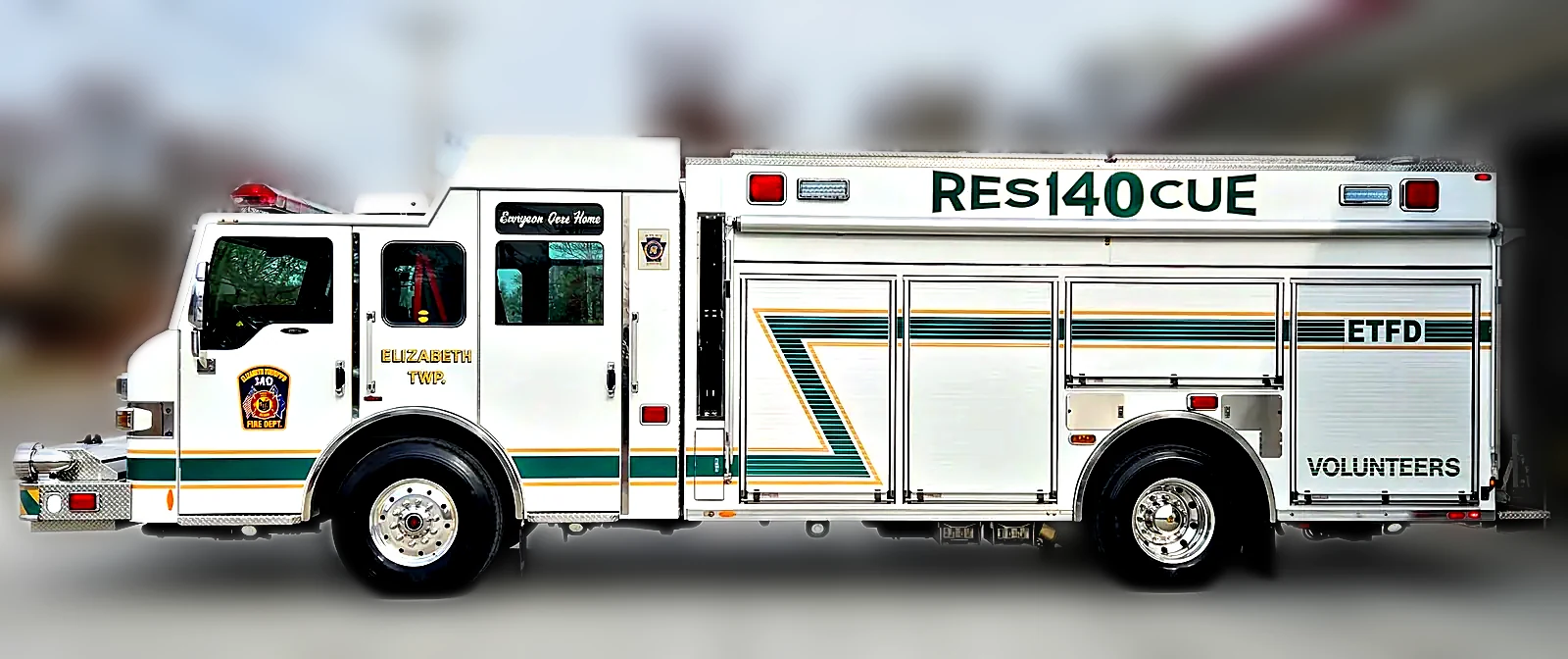
Construction Vehicle Wraps Chicago. Trucks, Vans & Equipment Near Me. Chicagoland Service Area
Chicago Fleet Wraps provides construction vehicle wraps chicago. Trucks, vans & equipment services across the entire Chicagoland metro area. Whether you're in the city or the suburbs, we offer free pickup and delivery for all wrap projects. Our shop near me serves businesses in:

- Service Area Map. All 77 neighborhoods including the Loop, Lincoln Park, Wicker Park, Logan Square, and Lakeview
- Elmhurst. DuPage County businesses and contractors
- Western Suburbs. Western suburban commercial fleets
- Cook & DuPage. Kane County service companies
- Northwest Burbs. Northwest suburban businesses
- Evanston. North Shore and north suburban fleets
- Oak Park. Near west suburban service companies
- Joliet. Will County commercial vehicles
- Downers Grove & Lombard. Western suburban fleets
- Orland Park & Tinley Park. South suburban businesses
- Arlington Heights & Palatine. Northwest Cook County
- Elgin. Fox Valley area businesses
Free pickup and delivery for all projects. View all 75+ cities we serve →
Last Updated: April 2, 2026
What Job Site Abuse Does to a Wrap, and What We Do About It
Construction vehicles get treated worse than any other fleet we handle. The lower quarter of a pickup bed takes gravel off the truck in front of it all summer. Ladder racks and pipe racks get loaded and unloaded against the cab corner twenty times a day. Concrete splash dries on a rocker panel and sits there for a week. None of that is unusual and all of it is predictable, so the build accounts for it from the start.
Cast film under a gloss overlaminate is the baseline, never calendered. On a truck that works gravel we keep the busiest artwork above the rub line, because detail placed in the lowest six inches will be sandblasted dull inside two seasons while the rest of the wrap still looks new. Where a rack foot or a toolbox bracket lands on a painted surface, film gets trimmed around the hardware instead of stretched under it, so the mounting point never becomes a lifting edge.

When a panel does get wrecked, we replace that panel. A graphic laid out in panels, with the print files held on file under your name, turns a torn bed side into a one panel reprint and a half day in the bay rather than a conversation about rewrapping the whole truck. That is the single biggest cost difference between a wrap built for a contractor and a wrap built for a showroom.
Wrapping Each Kind of Construction Vehicle
- Pickups. Bed sides, tailgate, cab doors and hood carry the message. Bed rail caps, plastic flares and a liner lip each need their own treatment, and a ladder rack usually means the upper door graphic drops a few inches so the rack leg does not cut a logo in half.
- Dump trucks. The dump body itself is a poor place for artwork: it takes direct impact from whatever is loaded into it, and the hoist flexes the sides. Graphics go on the cab doors, the hood and the tank skirts, with reflective lettering at the rear where it earns its keep.
- Box trucks, 16 to 26 ft. A riveted body takes noticeably longer than a smooth one, because the film has to be settled around every fastener head rather than swept across a flat sheet. A bonded smooth body is the easiest large canvas in the trade.
- Crew and tool vans. The shelving stays in, so everything happens from outside. Sliding door tracks, rear door hinges and roof rack feet are where a van wrap fails if it is rushed.
- Equipment. Skid steers, mini excavators and tow behind generators get cut vinyl decals and unit numbers rather than full wraps. Textured guard panels, cast housings and anything within reach of hydraulic fluid are left alone.
DOT Lettering on a Construction Fleet
Trucks that cross state lines or run above the federal weight threshold have to carry the legal company name and the USDOT number on both sides, in a color that contrasts with the body and at a size a reader can take in from the curb in daylight. We letter that as part of the wrap instead of leaving you to stick a magnet on afterward, and we lay it into the artwork so the compliance line does not fight the design.
Unit numbers go on at the same sitting. Running a numbered fleet costs nothing extra at install and pays for itself the first time a dispatcher has to say which truck is at which address. We keep the numbering scheme and the typeface on file, so truck eleven gets the same treatment as truck one when you add it two years from now.
When to Schedule Construction Work
The trades book wraps in the same two windows and both are avoidable. Everybody wants vehicles done in March before the season opens, and everybody wants them done in September when the new trucks land. A fleet that can come in during the quiet weeks between gets the bays to itself and comes out matched, which is hard to achieve when units are wrapped months apart.
Winter installs are fine. The work happens indoors at bay temperature. What winter actually adds is the time it takes to bring a cold truck up to temperature before the first panel goes on, and the fact that a salted truck needs a real wash rather than a rinse. Free pickup and delivery runs through Cook, DuPage, Kane, Lake, Will and McHenry Counties, so a truck can leave a job site in the afternoon and be in the bay that same evening.