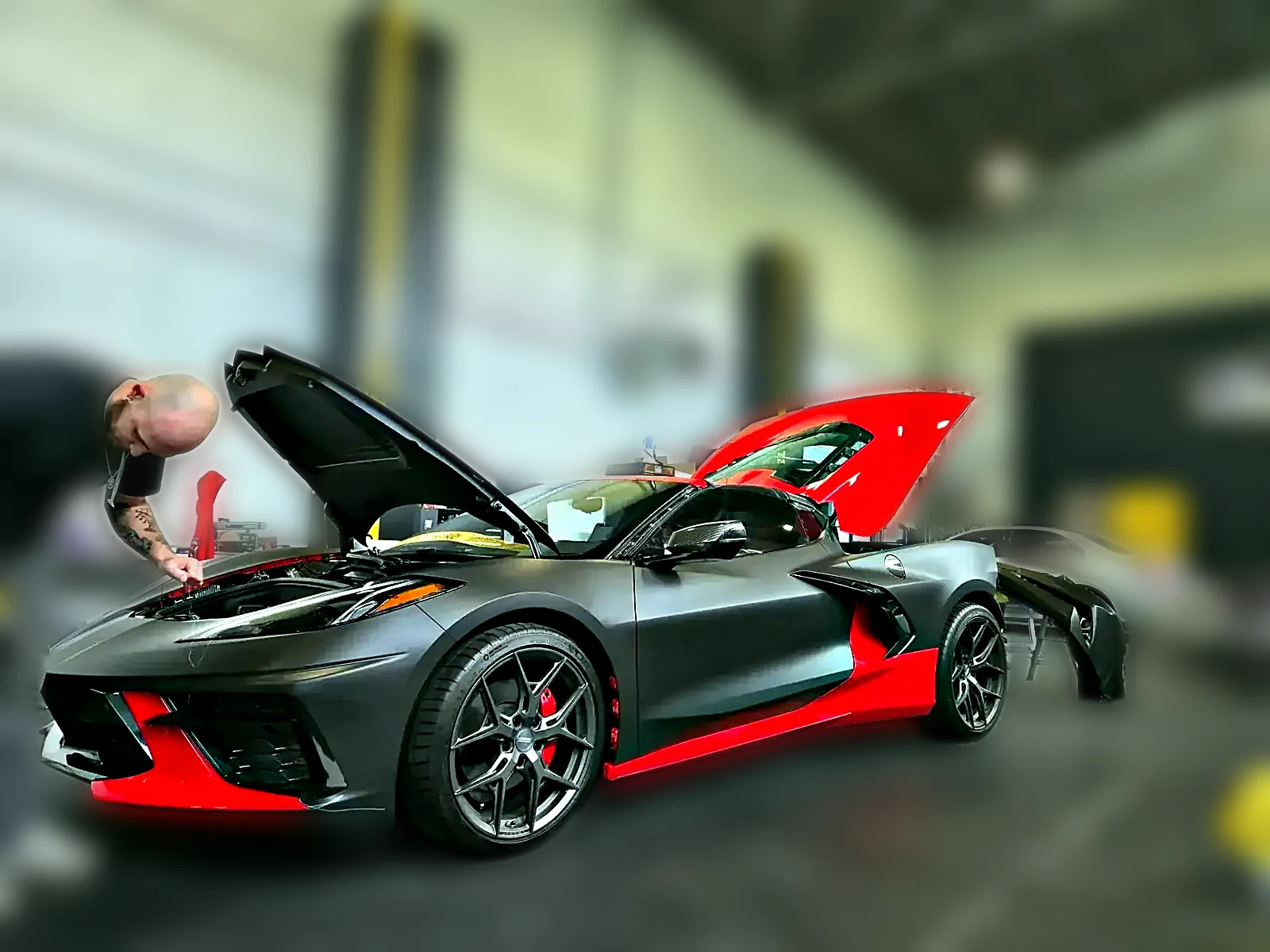
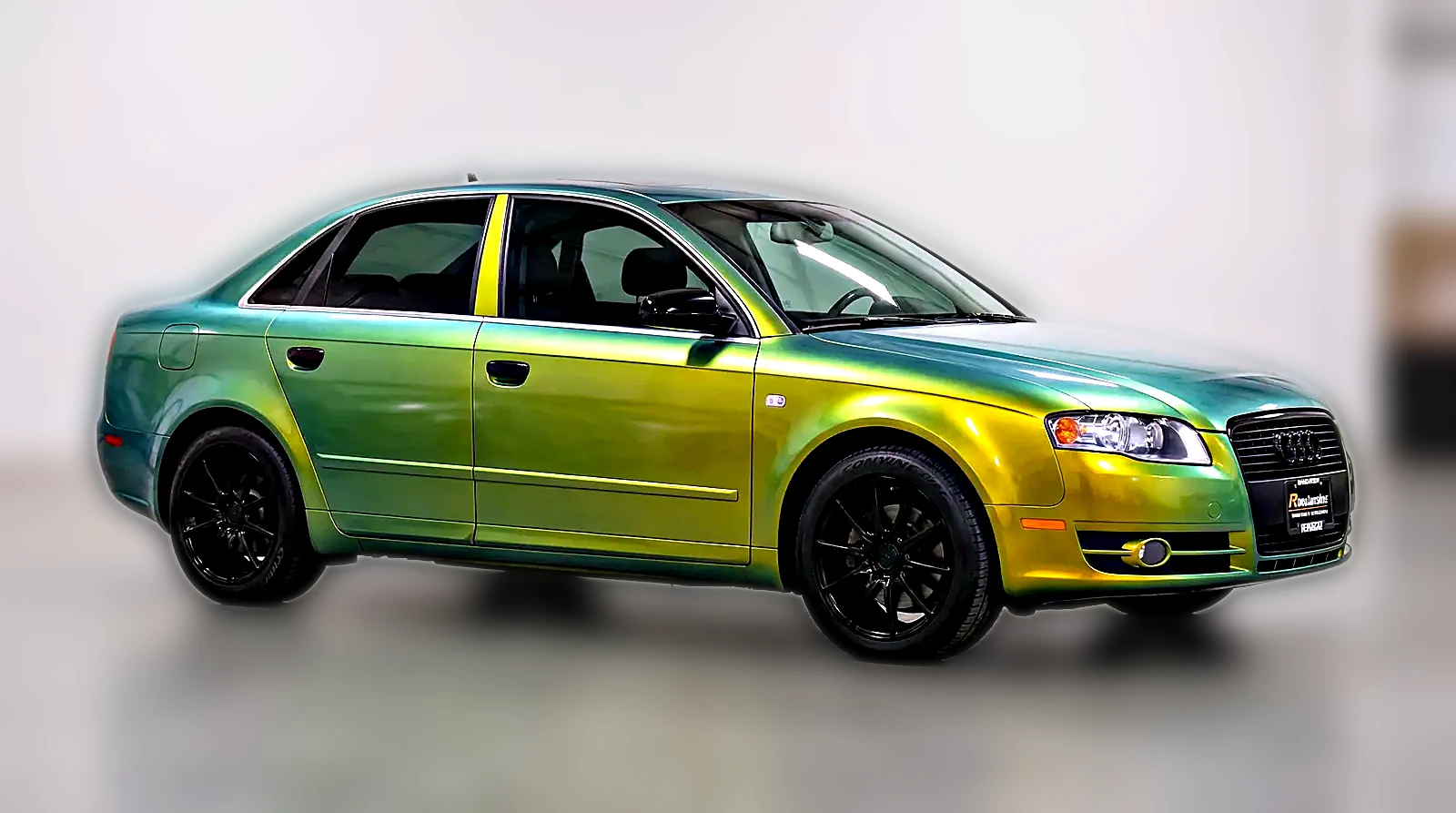
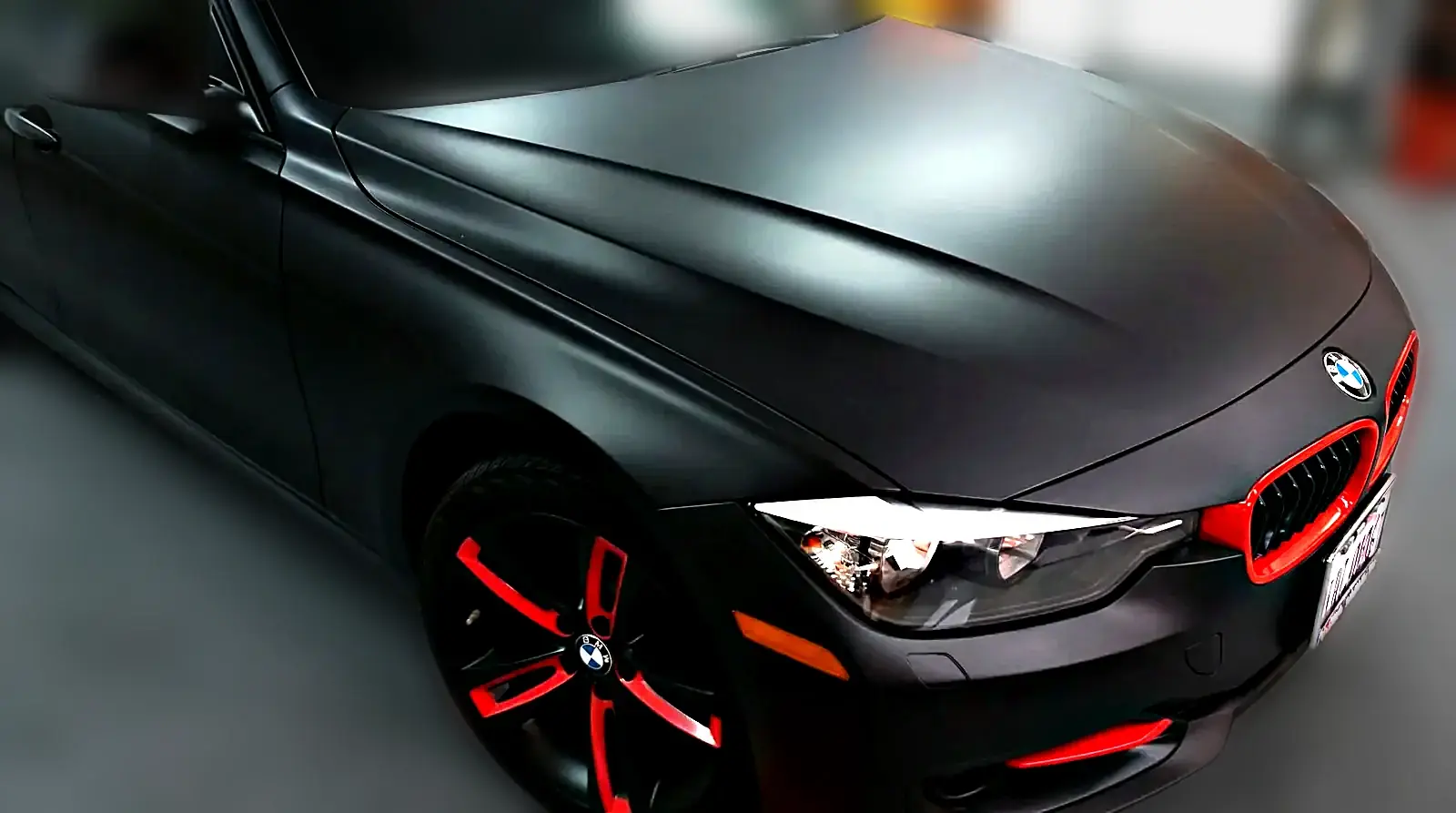
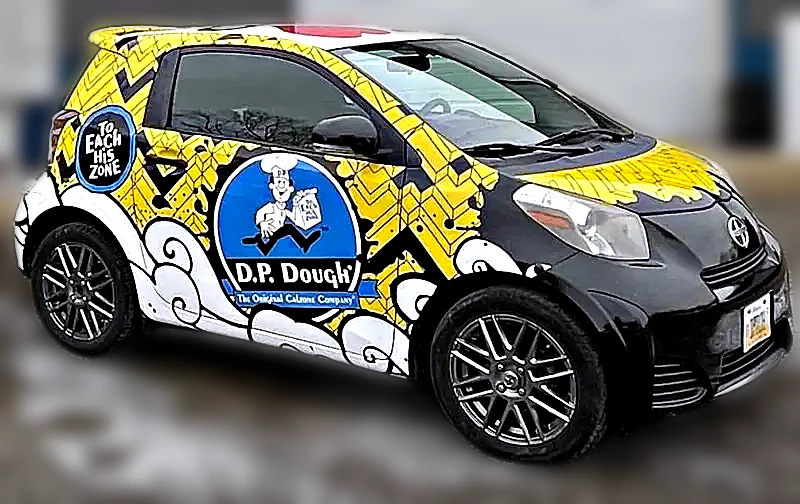
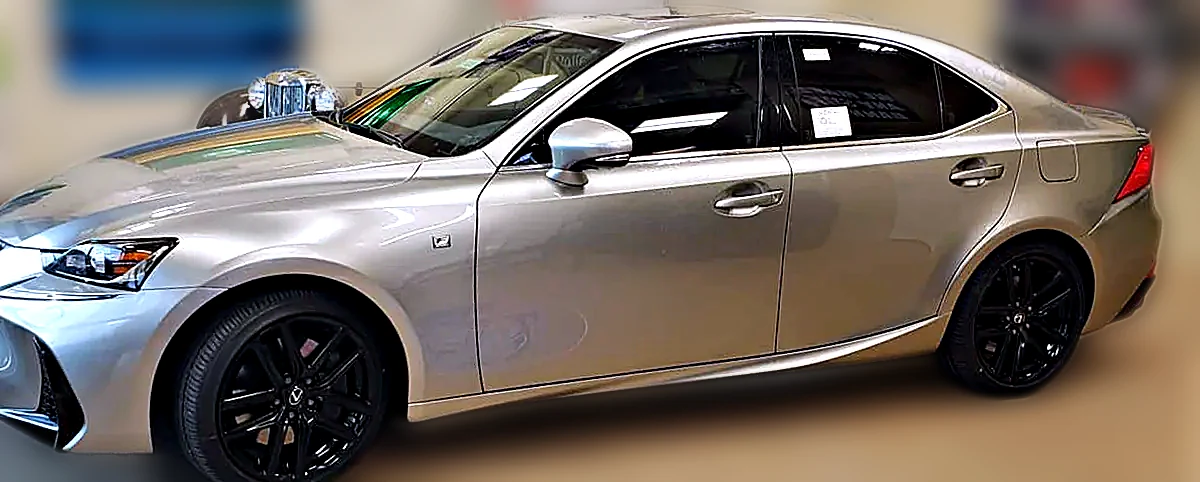
Chicago Paint Protection Film Specialists: Your Wrap Protects the Brand. PPF Protects the Paint.
Quick AnswerPaint protection film (PPF) in Chicago costs $1,800-$3,800 for partial coverage (front bumper, hood, mirror caps) and $4,500-$7,200 for full vehicle PPF. Chicago Fleet Wraps installs SunTek Ultra and XPEL Ultimate Plus self-healing PPF with a 10-year manufacturer film warranty. Protects from rock chips, road salt, scratches.
Paint protection film in Chicago, in Avery and 3M materials, printed and installed under one roof. A wrap protects the brand on the panel; PPF protects the paint underneath it, which matters most on a leased vehicle you hand back. Coverage runs from high-impact zones to full body.
Having completed over 19,400+ successful installations of paint protection film in the Chicago area, we use premium PPF materials to guarantee your vehicle's finish remains pristine and well-guarded against the elements.
Why Paint Protection Film?
PPF is a clear urethane film with a self-healing topcoat. It sits on the paint, takes the hit from road debris, and keeps the panel underneath original. A printed wrap also shields paint, but a wrap replaces the factory color and a wrap panel is opaque. PPF is what you pick when the paint itself is the thing worth keeping.
The film is thicker and stiffer than the cast vinyl we print fleet graphics on, and it goes on wet. An installer floats it into place on a slip solution, squeegees the water out from the center, and locks the edges down with heat. That is a different skill from a dry vinyl install, which is why PPF and wrap work get quoted separately even when the same vehicle gets both.
What film stops, and what it cannot undo
PPF takes stone chips, grit blasting on the rockers, brush marks from an automatic wash, and bug acid on the nose. Light swirls in the topcoat reflow and disappear as the panel warms. What film cannot do is reach damage that is already in the paint. The film is clear, so a chip or a scratch under it stays visible and cannot be touched without lifting the film off. Anything that needs polishing gets polished before the film goes on, not after.
Our Paint Protection Film Process
Walk the vehicle and photograph every panel. Existing chips, scratches and prior bodywork get documented before anything goes on, because clear film magnifies whatever is already there.
Decontaminate. Wash, clay and a solvent wipe to pull wax, dressing and road film out of the panel edges and shut lines. Adhesion failures almost always trace back to something left in a seam.
Correct the paint where it needs it. Swirls and light marring come out now, or they stay under the film for the life of the install.
Take off what has to come off. Badges, mirror caps, lamp trim and sometimes a bumper cover, so film can wrap an edge instead of ending on the face of it.
Install wet. The film floats in on a slip solution, gets squeegeed from the center out, and every edge is post-heated so the urethane relaxes and stays down.
Reassemble, then inspect the vehicle under shop lights with you before it leaves.
The slip solution trapped under the film has to gas out, and that happens in a bay, not in your driveway. Small water pockets and a faint haze are normal at first and clear as the moisture passes through the film. Do not wash the vehicle and do not pick at an edge while that is happening.
Which panels actually need film in Chicago?
Coverage follows damage, and damage lands in the same places on almost every vehicle: the front bumper, the leading edge of the hood, the mirror caps, the headlamps, and the rocker panels just behind the front wheels. Those five areas absorb most of what the road throws.
Chicago adds a second problem. From the first salt run to the spring street sweep, the Kennedy is a slurry of brine and grit and the car ahead of you works like a sandblaster. Salt film creeps into every edge and seam, so on a Chicago vehicle we care as much about where the film ends as about what it covers. An edge that stops on the visible face of a bumper grows a grey line by March. An edge tucked behind the panel does not.
Partial front, full front, full body
A partial front covers the bumper, a strip across the leading edge of the hood, and the mirror caps. It is the smallest job that stops the chips that matter, and it is the one we write most often. A full front adds the whole hood, both front fenders and the headlamps, so there is no cut line across the hood to look at or to clean. Full body carries film onto the doors, rockers, roof and the quarters behind the rear wheels, which is the choice on a car whose paint is hard or expensive to refinish.
Cold weather changes the install
Urethane does not want to stretch on a cold panel, and a slip solution behaves differently at forty degrees than at seventy. Film goes on indoors at 4711 N Lamon Ave #7 in Portage Park, in a heated bay, with the panel brought up to temperature first. That is also why a January install gets more post-heat attention on the edges than a July one.
PPF, ceramic coating, or a wrap?
These three get mixed up constantly, so here is the short version. A ceramic coating is a chemical layer. It changes how water and dirt behave on a panel and it makes washing easier. It will not stop a stone. PPF is a physical layer thick enough to absorb an impact. A printed wrap is also a physical layer and it does shield the paint, but you trade away the factory color and gain a surface you can print a brand on.
On commercial work the answer is often not PPF at all. A wrapped van already carries cast vinyl over the sheet metal, and we laminate print with 3M 8518 gloss overlaminate for road salt and UV, so the paint underneath is covered. Where film earns its keep on a fleet is the unwrapped front cap of a box truck, the mirror arms, and the hood of a pickup nobody wants to repaint. On a leased vehicle the logic shifts again: film on the hood, bumper and rockers, pulled before turn-in, hands the paint back the way the lease expects to find it.
What is warranted, and by whom?
Three different terms get blurred together in this category, so we keep them apart. The film itself carries a 10-year manufacturer film warranty, from XPEL on Ultimate Plus and from SunTek on Ultra. That is the film maker's warranty against yellowing, cracking and delamination, and it is theirs to honor rather than ours.
Our side is the installation. Chicago Fleet Wraps backs its own work with a 2-year workmanship warranty covering qualifying installation-related lifting, peeling, bubbling and edge failure under normal use, subject to the written warranty terms. On printed wrap work the vinyl is separately covered by a 5-year material warranty for qualifying material defects. If a shop quotes you one number that supposedly covers film, labor and service life all at once, ask which company is actually standing behind each part of it.
How do you look after film through a Chicago winter?
Wash it more often in winter, not less. Salt sitting on an edge is what eventually finds its way under film. Hand wash with a pH-neutral soap and a soft mitt, rinse out the wheel wells and rockers where brine collects, and keep a pressure washer wand well back from the panel and off the film edges completely. A wand held close to a seam will lift film that would otherwise have lasted years.
Skip abrasives and anything with grit in it, and take tar and bug splatter off the nose sooner rather than later. If an edge ever starts to lift, call us at (312) 597-1286 before it catches air. A corner caught early is a reheat. The same corner caught in July is a new piece of film.
Why bring the vehicle to Chicago Fleet Wraps?
We are a wrap shop first, which is the point. Six installers work five bays across roughly 6,000 square feet in Portage Park, three of them with ten or more years each on vinyl and urethane, and two in-house designers sit next to production. Across 19,400+ vehicles wrapped our record on paint is zero verified paint damage claims, which is the number that matters when you hand over a vehicle you care about. The shop holds 4.9 stars across 51 Google reviews and is women-owned.
Vehicles stay inside. Secure indoor overnight storage means nothing sits out on Lamon Avenue waiting for a bay. Multi-vehicle work runs on the same volume ladder as our wrap contracts: 3 percent off at two to four vehicles, 7 percent at five to nine, 11 percent at ten to twenty-four, and 15 percent at twenty-five or more. Free pickup covers Cook, DuPage, Kane, Lake, Will and McHenry counties. Send the year, make and model with the panels you want covered. You will hear back within 2 business hours. The itemized quote follows within 24 hours once we have what we need.
Paint protection film Chicago. Chicago Fleet Wraps · (312) 597-1286
Get Your Free Paint Protection Film Estimate
Tell us the vehicle and the panels you want covered, or call (312) 597-1286 and we will walk the coverage options with you.
“Paint protection film is a wet install on urethane, not a dry install on vinyl. The job is won at the edges. Pull the trim, wrap the film behind the panel, post-heat it, and road salt has nowhere to start.”
Written by Roy Wraps, Founder of Chicago Fleet Wraps. 25 years in the wrap industry. Avery Dennison certified installer; in-house HP Latex printing.
The Unseen Shield: Why Paint Protection Film is Essential for Chicago Drivers
Navigating Chicago's bustling streets, from the Loop to Lincoln Park, exposes your vehicle to constant threats: flying road debris, salt during winter thaws, and even minor parking lot scuffs. Paint Protection Film (PPF), often called 'clear bra,' acts as an invisible, self-healing barrier, safeguarding your original factory paint finish. This advanced thermoplastic urethane film is engineered to absorb impacts and resist abrasions, ensuring your vehicle retains its showroom luster for years, significantly higher than any ceramic coating or wax.
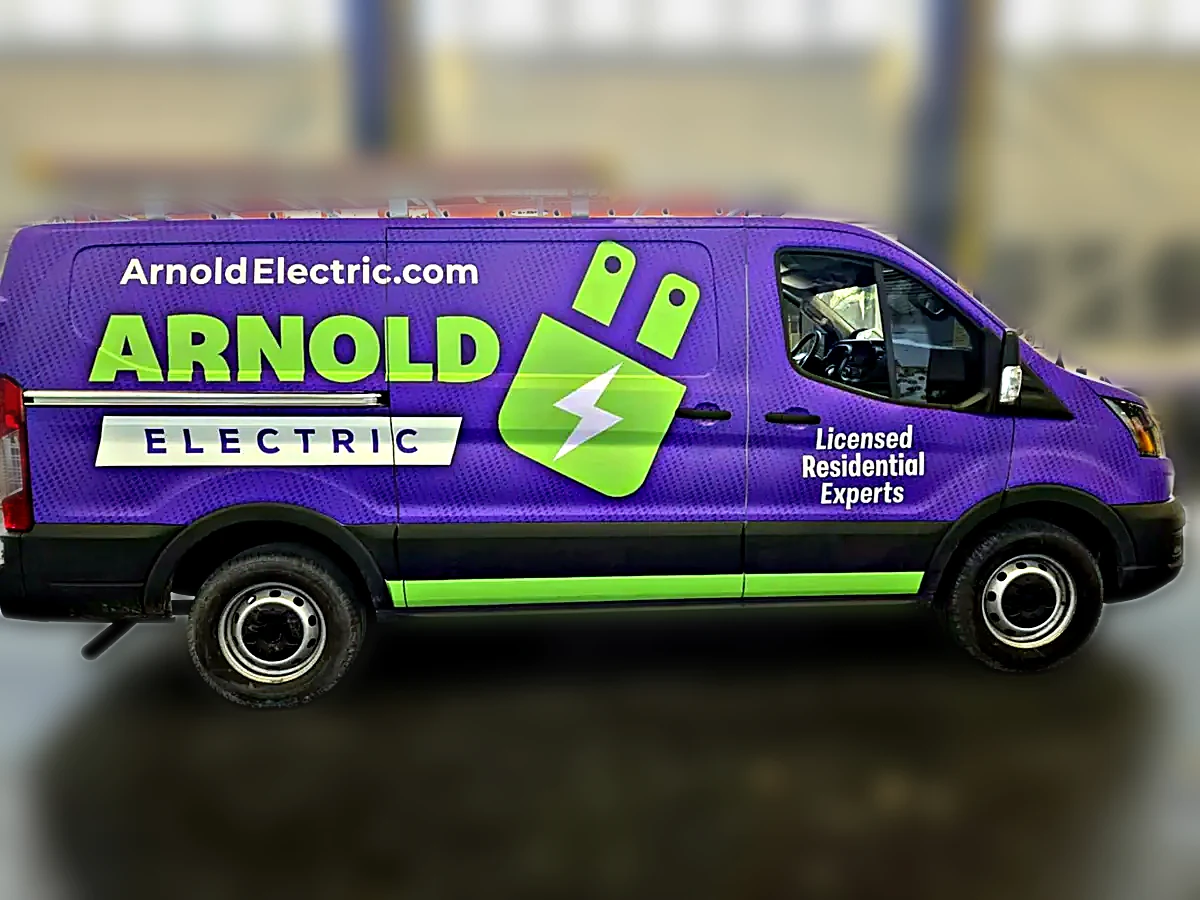
Precision Today HVAC service van by Chicago Fleet Wraps
For residents and businesses across Chicagoland, from Naperville to Evanston, investing in PPF is a proactive measure against the inevitable wear and tear of urban driving. Unlike traditional waxes or sealants that offer superficial protection, PPF provides a strong, durable layer that stands up to harsh weather and daily commutes on expressways like I-90 or Lake Shore Drive. Preserve your vehicle's aesthetic integrity and maintain its resale value with this superior protective solution, a smart choice for any discerning vehicle owner.
Premium PPF Materials: XPEL ULTIMATE PLUS & STEK DYNOshield Explained
At Chicago Fleet Wraps, we exclusively use industry-leading Paint Protection Film brands such as XPEL ULTIMATE PLUS and STEK DYNOshield. These aren't just any films; they are premium, optically clear, self-healing urethane films designed for unparalleled durability and clarity. XPEL ULTIMATE PLUS is renowned for its exceptional stain resistance and a proprietary top coat that can literally 'heal' minor scratches and swirl marks with heat, maintaining a flawless finish.
Similarly, STEK DYNOshield offers an advanced hydrophobic top coating, making your vehicle significantly easier to clean and resistant to water spots and environmental contaminants. Both materials boast a 10-year manufacturer's warranty against yellowing, cracking, staining, and hazing, providing long-term peace of mind. We meticulously select these films to ensure your vehicle receives the highest level of paint protection available in the Chicago market, far exceeding the lifespan and protective qualities of lesser films.
Transparent Pricing for PPF Installation in Chicagoland
Understanding the investment in Paint Protection Film is crucial. For a full front-end package, covering the bumper, full hood, and fenders, expect a price range of $1,800 to $3,500, depending on vehicle complexity and chosen film. Partial front packages, typically including the bumper, partial hood, and partial fenders, usually fall between $900 and $1,800. These estimates apply to popular models like a Ford F-150, Toyota Camry, or Tesla Model 3.
Orland Park fleet graphics install by Chicago Fleet Wraps
For a complete full-vehicle PPF wrap, which offers complete protection for every painted surface, pricing can range from $5,500 to $10,000+, varying significantly based on vehicle size. A compact sedan versus a large SUV like a Chevrolet Suburban or Mercedes-Benz Sprinter. Specific areas like rocker panels, door cups, or mirrors can be added for $150-$400 per section. We provide detailed, itemized quotes after a thorough vehicle inspection at our Lamon Ave facility.
The Meticulous PPF Installation Process at CFW
Our PPF installation process is a testament to precision and expertise, typically requiring 1-3 days for a full front-end application and 3-7 days for a full-vehicle wrap. It begins with an exhaustive multi-stage decontamination wash, removing all contaminants from the paint surface. This is followed by paint correction, where any existing swirl marks or minor imperfections are buffed out, ensuring the film adheres to a pristine surface.
Next, our experienced technicians, with 25 years of experience, use precision computer-cut templates specific to your vehicle's make and model. Whether it's a Honda CR-V or a Porsche 911. This eliminates the need for knife cuts on your vehicle's paint. The film is then expertly applied using a slip solution, meticulously stretched and contoured to every curve and edge, ensuring a smooth, virtually invisible finish that protects your investment from the Chicago elements.
Maximizing Your ROI: The Long-Term Value of PPF
Investing in Paint Protection Film offers a significant return on investment, particularly in a competitive market like Chicago. By preventing stone chips, scratches, and environmental damage, PPF preserves your vehicle's original paint, which is a key factor in maintaining its resale value. A car with pristine paint can command a premium of 3-15% more than a comparable vehicle with noticeable paint damage, especially when trading in or selling privately.
Bratcher Heating and Air HVAC pickup truck wrap by Chicago Fleet Wraps
Furthermore, the self-healing properties and ease of cleaning associated with premium PPF reduce the need for frequent waxing or costly paint corrections. Over the lifespan of your vehicle, these savings in maintenance and the enhanced aesthetic appeal translate directly into a higher residual value, making PPF a financially astute decision for anyone from a daily commuter on the Kennedy Expressway to a luxury car owner in the Gold Coast.
Comparing PPF to Ceramic Coatings and Traditional Waxes
While ceramic coatings offer excellent gloss and hydrophobic properties, and waxes provide a temporary shine, neither offers the physical impact protection of Paint Protection Film. Ceramic coatings create a hard, thin layer that resists chemical etching and makes cleaning easier, but they cannot prevent rock chips or deep scratches. Waxes, on the other hand, are purely cosmetic and last only a few weeks to months, offering minimal defense against physical damage.
PPF stands alone in its ability to physically absorb and disperse impact energy from road debris, preventing paint damage at its source. It forms a strong, sacrificial layer that is significantly thicker and more durable than any ceramic coating, offering unparalleled chip and scratch resistance. For complete protection against the rigors of Chicago driving, PPF is the undisputed champion, often paired with a ceramic coating for the ultimate defense and shine.
Care & Maintenance for Your PPF-Protected Vehicle
Maintaining your vehicle after PPF installation is remarkably straightforward, ensuring the film's longevity and appearance. We recommend waiting at least 72 hours before the first wash to allow the adhesive to fully cure. After this initial period, regular hand washing with a pH-neutral car soap is ideal. Avoid abrasive brushes or harsh chemicals, especially those containing petroleum distillates, which can degrade the film's top coat.
Custom pickup truck wrap by Chicago Fleet Wraps - Tinley Park install
For best results, use a two-bucket wash method and soft microfiber towels. While PPF is self-healing, it's still beneficial to avoid automatic car washes with stiff brushes. Periodically, you can apply a PPF-specific sealant or detailer to enhance gloss and hydrophobic properties, further protecting your investment. With proper care, your PPF will continue to protect your vehicle's paint through countless Chicago winters and summers, from O'Hare to Navy Pier.
Guard Your Investment with Premium Paint Protection Film in Chicago
Protecting your vehicle's finish from the harsh realities of Chicago roads is paramount, and Chicago Fleet Wraps offers unparalleled paint protection film (PPF) work. Our expert installers apply a virtually invisible, self-healing layer that shields your paint from stone chips, road salt, minor abrasions, and environmental contaminants. Investing in Paint Protection Film Chicago ensures your vehicle maintains its showroom appeal and resale value.
From daily commutes through the Loop to weekend excursions along Lake Shore Drive, your vehicle faces constant threats. Our premium PPF acts as a strong barrier, preserving the pristine condition of your car, truck, or SUV. Experience peace of mind knowing your paint is safeguarded by the best Paint Protection Film Chicago has to offer.
Advanced PPF Technology for Unrivaled Durability in the Chicagoland Area
At Chicago Fleet Wraps, we exclusively use top-tier paint protection film from industry leaders like 3M Scotchgard™ Pro Series and XPEL ULTIMATE PLUS™. These advanced films feature a clear, thermoplastic urethane (TPU) construction, renowned for its exceptional durability and self-healing properties. Minor scratches and swirl marks literally disappear with exposure to heat, keeping your vehicle looking flawless.
Chicago Fleet Wraps installation bay by Chicago Fleet Wraps
Our meticulous installation process, honed over 25 years of wrap work, guarantees a smooth, bubble-free application. Whether you’re protecting a luxury sedan in Lincoln Park or a work truck navigating the industrial corridors, our Paint Protection Film Chicago provides superior, long-lasting protection against the elements.
Custom Paint Protection Film Work for Every Chicago Vehicle
Chicago Fleet Wraps understands that every vehicle and owner has unique needs. We offer a range of Paint Protection Film Chicago packages, from front-end protection (hood, fenders, bumper, mirrors) to full vehicle wraps. Pricing for these premium services typically ranges from $800 for basic front-end coverage to $6,000+ for complete full-vehicle applications, depending on the vehicle size and film coverage desired.
Commercial HVAC fleet van wrap by Chicago Fleet Wraps
Our team at 4711 N Lamon Ave #7 is ready to consult with you to determine the ideal PPF solution for your specific vehicle and budget. Protect your investment from the rigors of Chicago driving, from the potholes of the West Side to the construction debris near O'Hare, with our custom-fit Paint Protection Film Chicago services.
Why Choose CFW for Your Paint Protection Film in Chicago?
With over 19,400+ vehicles wrapped since 2001, Chicago Fleet Wraps is the trusted authority for vehicle protection. Our commitment to excellence extends to our Paint Protection Film Chicago services, backed by a 2-year workmanship warranty and an unparalleled reputation for quality. We guarantee zero verified paint damage claims, reflecting our meticulous approach to every installation.
After fire truck wrap by Chicago Fleet Wraps
When you choose CFW for Paint Protection Film Chicago, you're choosing experience, precision, and an unwavering dedication to customer satisfaction. We even offer free fleet pickup across Chicagoland, making it convenient to safeguard your valuable assets. Call us today at (312) 597-1286 to schedule your consultation and experience the CFW difference.
Find Chicago Fleet Wraps
Climate-controlled facility in Portage Park, with free fleet pickup and delivery across Chicagoland and Northwest Indiana.
Windy City box truck wrap by Chicago Fleet Wraps
Chicago Fleet Wraps
4711 N Lamon Ave #7 Chicago, IL 60630 Portage Park
A clear, self-healing urethane film applied over paint to absorb rock chips, scratches, and road debris. It is also called clear bra.
How much does PPF cost in Chicago?
Partial front packages often run $1,500 to $2,500, and full-vehicle PPF runs $5,000 to $8,000 or more depending on the vehicle and coverage.
Is PPF self-healing?
Yes. Light swirls and scratches in the film disappear with heat from the sun or warm water, because the top coat reflows.
How long does PPF last?
Quality paint protection film lasts roughly 7 to 10 years and usually carries a manufacturer warranty in that range.
What is the difference between PPF and ceramic coating?
PPF is a thick physical film that stops rock chips. Ceramic is a thin coating for gloss and easy cleaning. They do different jobs and work well together.
What areas should I protect with PPF?
High-impact areas first: front bumper, hood, fenders, mirrors, and rocker panels. Full-body PPF protects the entire painted surface.
Does PPF come in matte?
Yes. Matte or satin film protects the paint while giving a flat finish, and clear gloss film keeps the factory shine.
Will PPF damage my paint when removed?
No. Quality film removes cleanly without harming factory paint, similar to a vinyl wrap.
Can PPF go over a vinyl wrap?
PPF is normally applied to paint. For wrapped vehicles, a ceramic coating is the better protection layer over the vinyl.
Is PPF worth it in Chicago?
Yes. Expressway gravel, winter salt, and construction debris chip front-end paint quickly, and PPF takes those hits instead of your paint.
How long does a PPF install take?
A front package takes about a day, while full-vehicle PPF can take several days because each panel is cut and fitted precisely.
Chicagoland Coverage
Vehicle Wraps Across Chicagoland
Scheduled fleet pickup and full-service installation across the city and suburbs. Wrapping since 2001 and in Chicago since 2014, with 19,400+ vehicles wrapped.