Vehicle Wraps Vs Radio Ads Chicago

Vehicle Wraps vs Radio Ads for Local ROI: Radio Plays Once. Your Wrap Runs 24/7 for 7 Years.

Quick AnswerA vehicle wrap in Chicago is a one-time cost, while Chicago radio ads bill for every flight of spots. A $4,200 cargo van wrap generates impressions for 5-7 years. A $5,000 radio buy runs 1-4 weeks of spots. Vehicle wraps deliver visual brand recall; radio delivers verbal recall and immediate response. Most Chicago fleets use both.

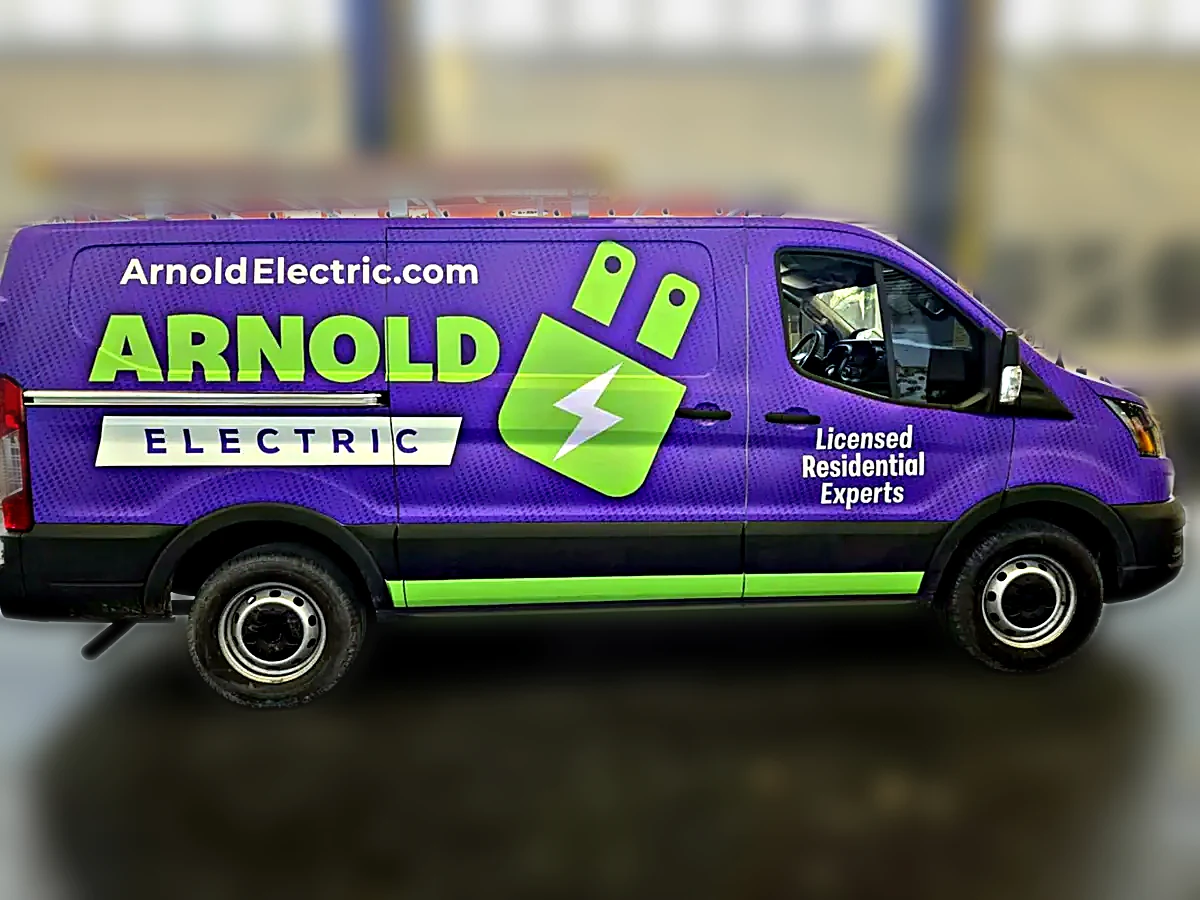
Radio reaches a broad Chicago market but delivers no visual impact and needs constant spend to hold presence. A wrapped service van is visible in your service neighborhood around the clock, parked at job sites and sitting in traffic. For a plumber working Lincoln Park, that beats airtime.

📊 Exposure varies by route 💰 $4,200 one-time 📅 5 - 7 Year Lifespan ✓ Tax-Deductible Advertising

Are Vehicle Wraps More Effective Than Radio Advertising in Chicago?

Vehicle wraps create repeated local exposure wherever your fleet drives and parks. Daily exposure varies by route rather than following one universal industry number. Wrapped vehicles work 24/7 in the exact neighborhoods where your customers live and work.

MetricVehicle WrapRadio Advertising
CPM (per 1,000 impressions)Route-dependentVaries by station and daypart
Cost Structure$4,200 one-time$200 - $5,000+/week
Daily ImpressionsRoute-dependentVaries
TargetingYour service territoryBroad / demographic
Tax DeductibleGenerally (advertising expense)Partially
5-Year Total Cost$4,200 one-timeOngoing recurring spend

Vehicle Wrap Pricing. Chicago 2026

VehicleFull Wrap PriceDaily Impressions
Cargo Van (Transit, ProMaster)From $4,200Route-dependent
Sprinter VanFrom $4,200Route-dependent
Box Truck 16 - 26 ftFrom $5,300Route-dependent

Fleet discounts: 7% for 5 - 9 vehicles, 11% for 10 - 24, 15% for 25+. Free pickup throughout Chicagoland. 2-year workmanship warranty included.

Commercial van wrap Chicago

Radio Advertising Limitations for Local Businesses

Radio advertising in the Chicago market is expensive and increasingly fragmented. A 30-second spot on WGN, WBBM, or B96 costs $200 - $1,500 per airing depending on daypart and station. To achieve meaningful frequency (the industry standard is 3+ exposures per listener per week), you need 15 - 25 spots per week. That's $3,000 - $37,500 weekly, or $12,000 - $150,000 monthly.

Free-pickup fleet van wrap by Chicago Fleet Wraps

The fundamental problem with radio for local service businesses is waste. A Chicago radio station broadcasts to the entire metro area. 9.5 million people. If you're an HVAC contractor serving the northwest suburbs, 90%+ of that audience is outside your service area. You're paying to reach millions of people who will never become customers. A wrapped vehicle, by contrast, advertises exactly where you work. In the neighborhoods where your customers live.

Radio also suffers from the "out of sight, out of mind" problem. The moment your spot ends, it's gone. There's no visual reinforcement, no phone number to photograph, no website to bookmark. Vehicle wraps provide continuous visual reinforcement. Parked on job sites, driving through neighborhoods, sitting in traffic. Every exposure reinforces your brand, your phone number, and your services.

Measurability and Attribution

One of radio advertising's biggest weaknesses is attribution. How do you know which leads came from your radio spots? Vanity phone numbers and promo codes help, but most radio-driven leads simply Google your business name. Making it impossible to accurately measure radio ROI. Industry estimates suggest radio attribution accuracy is only 15 - 25%.

Vehicle wraps offer better attribution through several mechanisms. Unique QR codes on each vehicle track scans to specific neighborhoods and times. Dedicated phone numbers per vehicle measure call volume. "How did you hear about us?" surveys consistently show vehicle wraps as a top-3 lead source for wrapped businesses. And unlike radio, the wrap is always on. Generating data 24/7, not just during purchased airtime.

For the same $12,000 you'd spend on one month of Chicago radio, you could wrap 3 cargo vans that will advertise your business for the next 5 - 7 years. That's 15 - 21 vehicle-years of advertising versus 4 weeks of radio spots. The math isn't close.

Last Updated: April 2, 2026

Fleet vehicle wraps Chicago

Frequently Asked Questions

Are vehicle wraps better than Radio Advertising for Chicago businesses?

Radio reaches a broad Chicago market but delivers zero visual impact and requires constant spend to maintain presence. A wrapped service van is visible in your specific service neighborhood 24/7. When parked at job sites, driving routes, and sitting in traffic. For a plumber serving Lincoln Park and Lakeview, that neighborhood presence is worth more than airtime on a station your customers may not even listen to.

Precision Today HVAC service van by Chicago Fleet Wraps

What is the ROI timeline for a vehicle wrap?

Most Chicago service businesses recover their wrap investment within 6 - 18 months through new customers who discovered them via the vehicle. The exact timeline depends on your service area, vehicle routes, and average customer lifetime value.

Should I use wraps AND Radio Advertising?

Radio is effective for top-of-mind awareness with a broad regional audience. New launches, seasonal promotions, or companies competing for market share across the entire metro. For local service businesses with defined territories, vehicle wraps win on cost-effectiveness. The ideal mix: wraps as the always-on brand foundation, with targeted radio or digital for seasonal pushes.

The Streaming Disruption

Traditional radio's audience is shrinking rapidly. Edison Research reports that weekly AM/FM radio listening among adults 18 - 34 has declined 40% since 2015, replaced by Spotify, Apple Music, YouTube Music, and podcasts. All of which either have no ads or allow users to skip them. For businesses targeting younger demographics, radio advertising is increasingly reaching an aging audience.

Vehicle wraps are immune to this disruption. They exist in the physical world. You can't skip, block, or fast-forward past a wrapped van parked on your street. Every person with functioning eyesight who passes your vehicle receives your brand impression, regardless of their media consumption habits, ad-blocking software, or streaming subscriptions. This "unskippable" quality makes vehicle wraps the most future-proof advertising medium available.

The production quality gap is also significant. A radio spot is 15 - 30 seconds of audio that competes with dozens of other spots in the same commercial break. A vehicle wrap is a 200+ square foot visual canvas that commands attention 24 hours a day with zero competition for the viewer's attention at the moment of exposure. The creative impact per impression is incomparably higher with wraps.

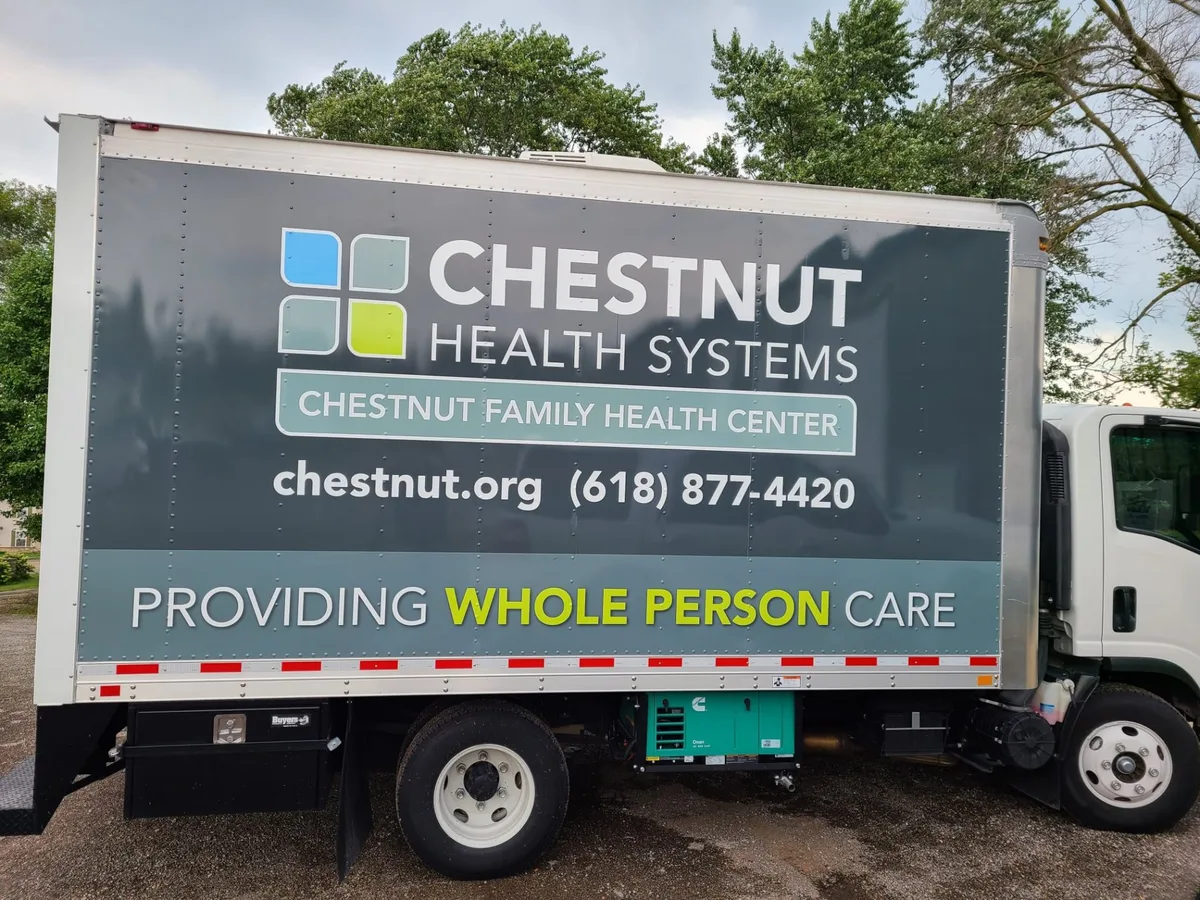
Chestnut Health Systems box truck wrap by Chicago Fleet Wraps

Visual vs. Audio: The Memory Advantage

Cognitive science research consistently shows that visual information is processed 60,000 times faster than audio and retained 6x longer. A radio listener hears your business name and phone number once during a 30-second spot. And forgets it within minutes. A driver who sees your wrapped van remembers the visual impression for days. The brain processes the logo, colors, vehicle type, and context (neighborhood, time of day) into a rich memory that's easily recalled when the need for your service arises.

Chicago Fleet Wraps installation bay by Chicago Fleet Wraps

This visual memory advantage is why vehicle wraps consistently outperform radio in brand recall studies. Vehicle wraps create repeated visual exposure throughout normal driving routes, while radio exposure depends on listening time and frequency. And it's why every dollar spent on vehicle wraps generates more brand awareness than the same dollar spent on radio.

“Vehicle Wraps Vs Radio Ads. Here is what actually matters: we run cast vinyl, not calendered, so it conforms to the curves and will not shrink back. Nineteen thousand four hundred vehicles deep, the process does not change.”
Written by Karigan Fridel, Chicago Fleet Wraps. Reviewed by Roy Wraps, Founder. 25 years in the wrap industry. Avery Dennison certified installer; in-house HP Latex printing.