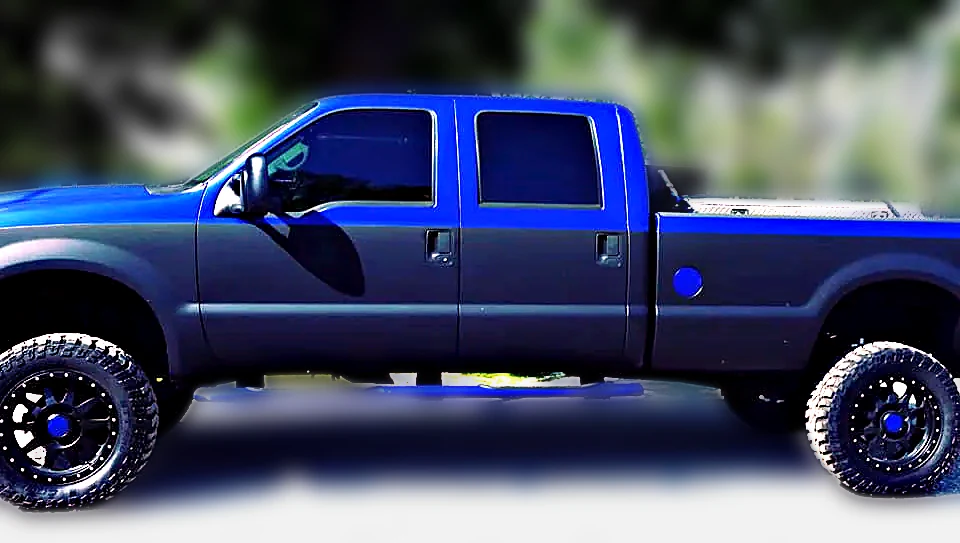
Chevy Silverado Wrap Chicago

Chevy Silverado Wrap Chicago
Silverado & GMC Sierra, 1500 / 2500 / 3500 HD. Cast vinyl. In-house installed.

Quick AnswerA Chevy Silverado wrap in Chicago starts at $3,500 for a full wrap, 240 to 300 square feet installed in 1 to 2 business days, covering 1500, 2500, and 3500 HD. The Silverado's angular bodywork and strong character lines create natural graphic zones, and a 2500HD with graphics flowing across the flared wheel arches is one of the sharpest work trucks on Chicago roads.

The Silverado and Sierra have the most modern, sculpted pickup truck profile on the market. Their angular bodywork with strong character lines creates natural graphic zones that experienced designers use to maximum effect. A Silverado 2500HD wrapped with bold graphics on its flared wheel arches is one of the sharpest-looking work trucks on Chicago roads.

💰 Full Wrap from $3,500 📐 240 - 300 sqft ⏱ 1 - 2 business days 🚐 Free Fleet Pickup ✓ 2-Year Warranty

How Much Does a Chevy Silverado / GMC Sierra Wrap Cost in Chicago?

A full Silverado or Sierra wrap starts at $3,500, a partial starts at $1,950, and a door and tailgate lettering package starts at $700. Coverage and finish set the number from there: a color change costs more than printed graphics, and a 2500HD or 3500HD is measured and quoted off its own square footage instead of the 1500 starting price.

Wrap PackageCoveragePrice
Full WrapAll panels, 240 - 300 sqft$3,500
Partial WrapSides + rear, or lower half + rearFrom $1,950
Lettering PackageDoors + rearFrom $700

Fleet discounts apply automatically: 3% for 2 to 4 vehicles, 7% for 5 to 9, 11% for 10 to 24, 15% for 25+. All pricing includes design, Avery Dennison MPI 1105 or 3M IJ180-CV3 cast vinyl, professional installation, and a 2-year workmanship warranty. Generally tax deductible as advertising.

Chevy Silverado / GMC Sierra Configurations We Wrap

Silverado/Sierra 1500, 2500HD, 3500HD. Regular Cab, Double Cab, Crew Cab. All bed lengths.

Single rear wheel trucks and the dually 3500HD are quoted apart from each other, because the rear fenders are not the same panel and the dually carries more film on every side. Each truck is measured at drop-off and the mockup you sign off on is drawn on the cab and bed you own.

Most of the Silverado and Sierra work booked here is contractor fleets: general construction, landscaping crews, electrical and plumbing shops, property maintenance and snow removal.

Why a Silverado Wraps Differently Than a Van

A cargo van hands a designer one long flat panel per side. A Silverado or Sierra hands over three smaller ones. The gap between the cab and the box splits each side into the cab door, the rear quarter and bed side above the rail, and the tailgate. We lay artwork out panel by panel instead of running one image from the front wheel to the rear bumper, because a graphic that tries to bridge the cab and the box stops lining up the moment you look at the truck from an angle.

Cab choice changes that map again. A Regular Cab has one wide door and a tall rear quarter, so a company name can sit high and run large. A Double Cab or Crew Cab trades that for two shorter doors and a narrower quarter, which drops the name to handle height and pushes the service line onto the bed side. Bed length then decides how much room is left for a phone number. All of it is settled before a designer opens the file, off the cab style, the bed length and the trim on your truck rather than a generic pickup outline.

Which Panels Get Wrapped on a Silverado, and Which Do Not?

Printed vinyl goes on painted sheet metal: hood, cab sides, every door, the rear quarter and bed sides, the tailgate, and the roof if you want it. Four areas stay bare, and each one is a decision rather than an oversight.

  • Bed floor and inner bed walls. Pipe, pallets, gravel and ladders cut film. A wrap inside the box fails early and takes the bed rail edge with it when it goes.
  • A spray-in bed liner. Adhesive needs a smooth surface and a sprayed liner is rough on purpose, so the wrap finishes at the bed rail cap on a cut line that follows the edge.
  • Textured black plastic. Fender flares, rocker trim and bumper caps are grained, not smooth, and off-road trims such as Z71, Trail Boss and AT4 carry more of it than a base work truck. Film sits on grain for a season and then lets go, so those parts stay factory black and the layout is drawn to work with them.
  • Step and wear surfaces. Rear bumper corner steps, running boards and the top of the bed rail take boot soles and loaded lumber every day of the week.

A partial wrap follows the same logic on purpose. Doors, rear quarters and tailgate are the panels that earn the money. Most of what is left on a pickup is either hidden in traffic or being used as a tool.

Prep on a Truck That Has Worked a Chicago Winter

Road salt decides how a truck wrap ages here. It packs into the rocker seam, behind the rear wheel opening and along the bottom lip of the tailgate, which is exactly where film edges land. A truck that comes in during February gets washed twice, and then every panel gap, edge and recess gets wiped with solvent before vinyl comes off the roll. Skip that and the first warm week lifts the lower edge of the bed side.

Hardware comes off rather than getting wrapped around. Ladder racks, headache racks, crossbed toolboxes, bed rail caps, mud flaps, door handles, mirror caps and tailgate badges are pulled at drop-off and refitted at the end, so the film can turn into the edge underneath a part instead of stopping in open air beside it. Film that dead ends against a part nobody took off is the most common reason a cheap truck wrap peels at a corner inside a year.

We walk the truck with you before it goes in a bay, because vinyl follows the surface under it. A dent still reads as a dent, chips along the leading edge of the hood still telegraph through gloss film, and a panel that has been repainted has to be fully cured before anything covers it, so we ask who painted it and when. None of that stops the job. It decides what the truck looks like coming out.

Where the Phone Number Belongs on a Work Truck

The tailgate does the most work. It is the panel the driver stopped behind you reads for as long as the light stays red, so the phone number, the web address and the city go there, large, with nothing competing for the space. Doors carry the company name at handle height, where it reads from a sidewalk and from the next lane over. The bed side carries the one service line you most want to be known for.

Two rules keep pickup graphics readable. Keep the message above the bed rail, because the lower half of a bed side spends its life screened by other traffic and greys out with salt film first. Then keep type and line weight heavy: body creases run through a Silverado bed side, and small text or a thin outline crossing a crease comes apart from every angle except straight on. Whatever the layout, it goes out as a mockup on the cab and bed we measured, and nothing prints until you approve it.

Wrapping a Fleet of Pickups Without Losing a Truck

Most Silverado and Sierra work booked here is several trucks rather than one, so they go through in batches. You tell us how many you can release at a time, and the panels for the later trucks print alongside the first batch so the color matches across the fleet. Film printed months later off a fresh roll can land slightly off, and that difference shows the moment two of your trucks park next to each other.

Pickup and delivery is free in Cook, DuPage, Kane, Lake, Will and McHenry counties, which counts for more than it sounds like when you cannot spare a driver for a round trip. Installs run indoors at the Portage Park shop, 4711 N Lamon Ave #7, across five installation bays, with secure indoor overnight storage if a truck has to stay. Call (312) 597-1286 with your cab styles and bed lengths and we respond within 2 business hours.

Film is Avery Dennison MPI 1105 or 3M IJ180-CV3 cast vinyl, printed in house on HP Latex and laminated before it ever reaches a truck. Cast film is what lets a graphic go down into a tailgate handle recess or around a wheel arch and stay there instead of pulling back out later. Workmanship carries a 2 year warranty and the material carries a 5 year warranty. Expected service life on a truck that sits outside year round in Chicago is 5 to 7 years.

Chevy Silverado / GMC Sierra Wrap ROI

You pay for the wrap once, and the truck then advertises on every route it drives and at every job site where it parks, so the payback comes down to your routes.

Precision Today HVAC pickup truck wrapped by Chicago Fleet Wraps

A pickup earns its exposure differently than a delivery van. A van runs a route and stops for a few minutes at a time. A contractor truck backs into one driveway and stays there most of the day, so the tailgate and the bed side face a single street and the people who live on it for hours. That is the argument for putting the phone number on the tailgate and keeping the bed side clear of clutter.

The wrap is also generally tax deductible as a business advertising expense. Ask your tax professional about your situation.

Last Updated: April 2, 2026

Frequently Asked Questions. Chevy Silverado / GMC Sierra Wraps Chicago

How much does a Chevy Silverado or GMC Sierra wrap cost?

Silverado/Sierra full wraps start at $3,500 for 1500 series. 2500HD and 3500HD models run higher and are priced from measured square footage. All pricing includes design, cast vinyl, installation, and free pickup.

Custom pickup truck wrap by Chicago Fleet Wraps - Tinley Park install

Can you wrap just the doors and tailgate of a Silverado?

Yes. Door and tailgate lettering packages start at $700. This covers the highest-visibility surfaces at a fraction of full wrap cost. Popular for contractors who want professional branding without the full investment.

Do you wrap the bed of a Silverado?

Typically no. The truck bed receives heavy abuse from cargo and wrap on the bed floor fails quickly. We focus on cab, doors, rear quarters, and tailgate for maximum visibility with minimum wear exposure.

What does a wrapped Silverado look like vs a Transit van?

A wrapped Silverado has a different visual presence. Lower profile and open bed mean less canvas, but the aggressive truck proportions create a bold dynamic wrap. Many contractors prefer a pickup wrap because it projects a hands-on, capable brand image.

Will the tailgate still open with a wrap on it?

Yes. The tailgate is printed and installed as its own panel and the film is trimmed at the body gaps, so nothing bridges the hinge, the latch or the handle. The fuel door is handled the same way. If your gate has stamped lettering in it, we either post heat the film down into the relief or cut around it, and we tell you which one the design calls for before it prints.

Can you wrap a Silverado that has a spray-in bed liner?

The painted panels, yes. The liner itself, no. Vinyl adhesive needs a smooth surface and a sprayed liner is rough by design, so the wrap finishes at the bed rail cap and the liner is left alone. A liner does not stop the doors, rear quarters, tailgate or hood from being wrapped.

Is a dually 3500HD a different job than a 1500?

Yes. The wide rear fenders on a dual rear wheel truck add film on both sides and need relief cuts at the flare seams, and an HD sits taller, so it takes longer in the bay than a 1500 Crew Cab. HD trucks are measured and quoted off their own square footage.

Do you wrap trucks through the winter?

All year. Installs happen indoors in the Portage Park bays rather than in your lot, because vinyl needs a warm panel and a controlled room to lay down and stay down. Winter changes the prep, not the calendar: a salted truck takes longer to clean before any film goes on it.

Get Free Estimate → 📞 (312) 597-1286 💰 Price Calculator
Written by Reid Houston, Chicago Fleet Wraps. Reviewed by Roy Wraps, Founder. 25 years in the wrap industry. Avery Dennison certified installer; in-house HP Latex printing.