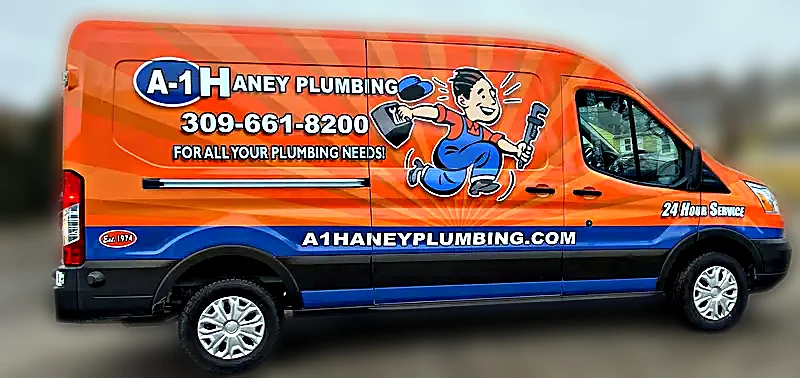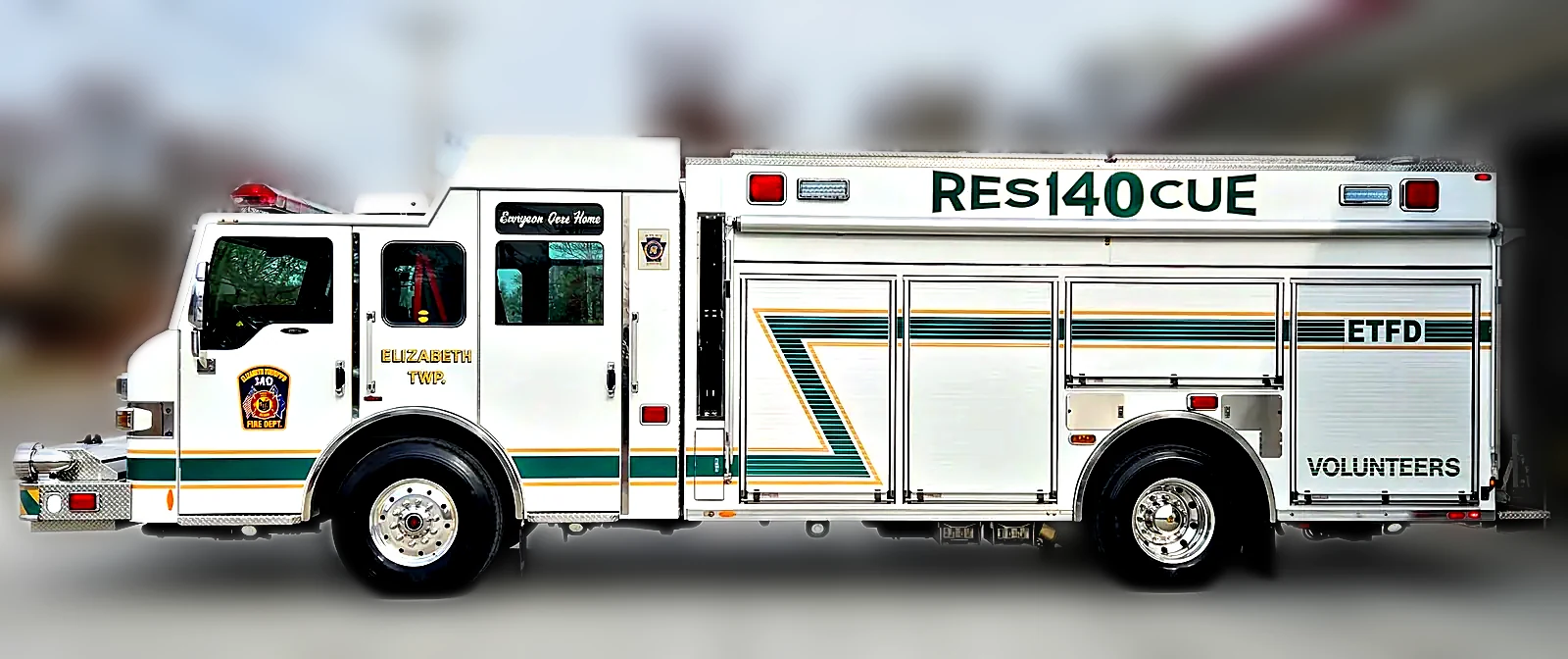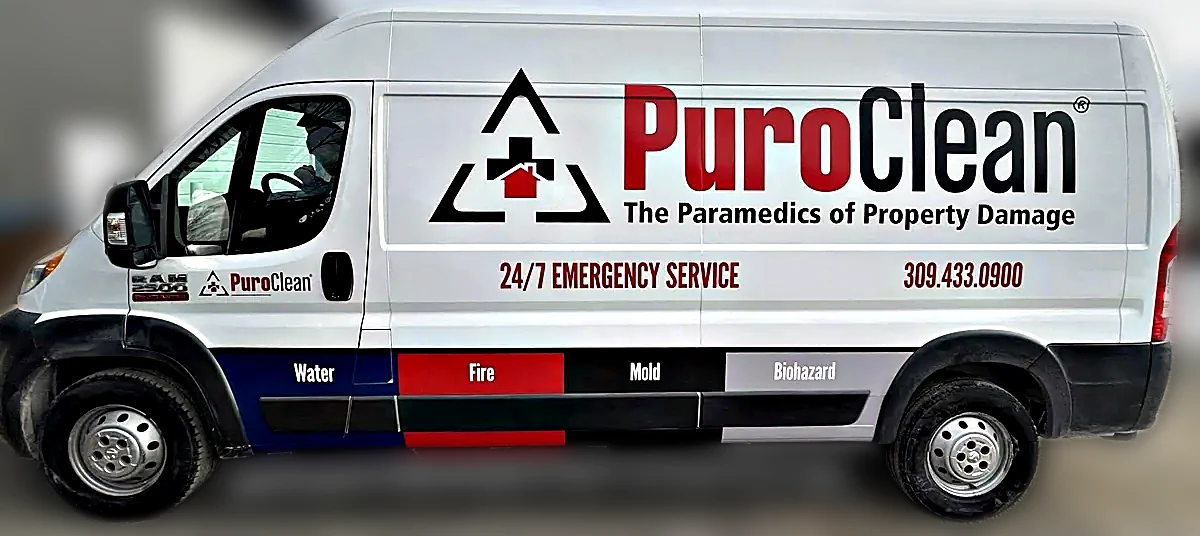
Chicago Puroclean cargo van wrap by Chicago Fleet Wraps

Sprinter High Roof Wraps Chicago, 170 WB From $6,000: Tall Van. More Surface. More Eyes on Your Brand.

Quick AnswerA high-roof Sprinter wrap in Chicago starts at $4,200, with 170-inch wheelbase and super-high-roof builds running $6,000 and up across 380 to 450 square feet, installed in 2 to 3 business days. At nearly 9 feet tall, the high-roof Sprinter is the most visible premium van in traffic, which is why mobile medical, luxury pet groomers, and high-end HVAC companies run them wrapped.
25 YEARS in business19,400+ vehicles wrapped0 verified paint damage claims4.9★ 51 Google reviews2-YR workmanship warranty

The high-roof Sprinter is the most recognizable premium commercial van in Chicago. Standing nearly 9 feet at the roof peak, it commands attention in traffic and communicates capability. Mobile medical, luxury pet groomers, and high-end HVAC companies all run high-roof Sprinters.

💰 Full Wrap $4,200 - $6,000 📐 380 - 450 sqft ⏱ 2 - 3 business days 🚐 Free Fleet Pickup ✓ 2-Year Warranty

How Much Does a Sprinter High Roof / Super High Roof Wrap Cost in Chicago?

Two numbers cover most high-roof Sprinters in Chicago: $4,200 on a 144" wheelbase and $6,000 on the 170" high roof, full wrap, installed. A 3/4 partial is 55% of the full number and a lettering package is 20% of it. Design time, cast film under laminate, install labor and the 2-year workmanship warranty sit inside those prices rather than on top of them.

Wrap PackageCoveragePrice
Full WrapAll panels, 170 WB, 380 - 450 sqft$6,000
3/4 Partial WrapSides + rear, 170 WB$3,300
Lettering PackageDoors + rear, 170 WB$1,200

Volume discounts start with the second van, not the fifth: 3% off at 2 to 4 vans on one contract, 7% at 5 to 9, 11% at 10 to 24, and 15% at 25 or more. Every one of those prices still carries the design work, Avery Dennison MPI 1105 or 3M IJ180-CV3 cast film under laminate, the install itself, and the 2-year workmanship warranty. Wrap spend is generally deductible as a business advertising expense, and your tax professional can tell you how that lands for your books.
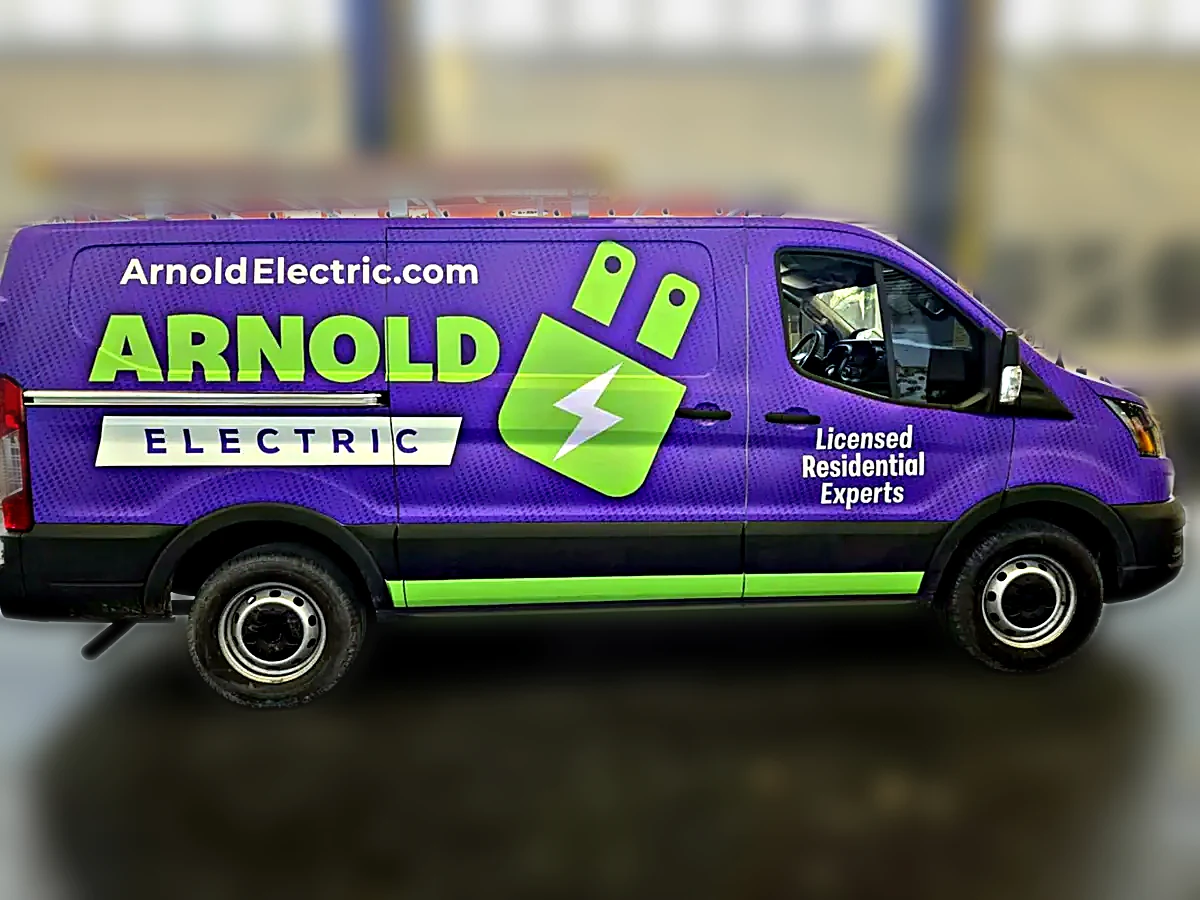
Van wrap Chicago Fleet Wraps

Sprinter High Roof / Super High Roof Configurations We Wrap

Sprinter 2500 High Roof 144" WB, Sprinter 2500 High Roof 170" WB, Sprinter 3500 High Roof 170" WB.

Precision Today HVAC service van by Chicago Fleet Wraps

Each wheelbase and roof combination is drawn on its own template. A 144 and a 170 parked side by side in the same fleet should read the same from the curb even though the panels are nowhere near the same size, and that only happens if both layouts were drawn to scale first. You see the proof and sign off before anything is printed.

In Chicago the tall Sprinters mostly belong to mobile medical and imaging operators, mobile groomers, telecom crews, and premium HVAC companies whose customers expect the van to match the invoice.

Service van wrap Chicago

Sprinter High Roof / Super High Roof Wrap ROI

The wrap is a one-time cost, and its cost per view depends on the routes your Sprinter drives. The more ground the van covers, the more views that one payment buys.

Bratcher Heating and Air HVAC pickup truck wrap by Chicago Fleet Wraps

The wrap is also generally tax deductible as a business advertising expense. The deduction can make the wrap even more cost-effective than the sticker price suggests. Ask your tax professional how it applies to your business.

Which Film Goes on a High-Roof Sprinter?

Two films, both cast: Avery Dennison MPI 1105 and 3M IJ180-CV3. Cast film is poured as a liquid and cured flat, so it carries almost no built-in tension and will settle into a recess or over a rivet head and stay there. That counts for more on a tall van than on a car. The panels are big, the film has to hold its shape in the open with nothing to hide behind, and the whole side is at eye level for anyone stopped next to it.

The expensive mistake on a tall van is calendered film. It is rolled to thickness instead of cast, which leaves tension in the sheet, and tension wins in the end. On a high roof it shows up first where the roof radius turns into the side panel, then around the mirror arms and the door handles. Edges creep back, then they lift, then grit works under the edge and the panel has to be redone.

Print goes under 3M 8518 gloss overlaminate, which is the layer that actually takes the abuse: summer UV, the brushes in an automatic wash, and the salt spray thrown off the Kennedy every February. Expected service life on a Chicago van is 5 to 7 years. That is service life, not coverage. The install carries a 2-year workmanship warranty, and the film carries a 5-year material warranty from the manufacturer.

What Changes When the Roof Goes Up?

Everything above the belt line is out of reach from the floor. On a high roof the top third of each side is worked off platforms with two installers on the panel at once, so the film is laid in one continuous pass instead of being chased up a ladder a foot at a time. That is most of the reason the install books 2 to 3 business days rather than running like a standard-roof van.

Print width decides where the seams go. Our printers lay material up to 59 inches wide, and a high-roof side is taller than that, so each side is printed in sections and the horizontal joint is planned rather than discovered. It lands on the rub strip, on a body line, or up in the shadow under the roof curve where nobody standing on a sidewalk will find it. A joint you can spot from across the street is a layout decision somebody skipped.

The corner where the roof radius rolls into the side panel is the one spot on the vehicle where the film is stretching in two directions at the same time. Those corners get post-heated after the squeegee work. Post-heat is what resets the film so it stops trying to go back to flat six months later in a cold snap.

Almost every high-roof Sprinter we see has something on the roof already: a ladder rack, a vent, a fan, a roof-mounted condenser on a mobile medical build. Send photos of the roof and the racks before we lay out artwork. Hardware either comes off or gets masked, and film is cut to its real footprint instead of up to a guess, which is the difference between a clean edge and a lifted one next winter.

The extra height is surface, not free advertising. A logo blown up to fill the tall panel reads worse from across an intersection, not better. We keep the business name, the trade and the phone number in the band between the belt line and the glass, where eye level is, and use the panel above it for color and one image. Our two in-house designers draw it on the Sprinter template and then check it against a photo taken from a distance, because that is the only view your customers get.

How a High-Roof Sprinter Moves Through the Shop

Fleet pickup across Chicagoland is free, so nobody on your payroll spends half a day driving a van to Portage Park and back. Install happens indoors at 4711 N Lamon Ave across five bays and about 6,000 square feet of install space, and many commercial vehicles up to roughly 40 feet long fit inside. Secure indoor overnight storage means a finished van waits inside instead of sitting out collecting dew and dust before you collect it.

For a mixed fleet we would rather walk your lot first. A survey confirms which vans are 144 and which are 170, catches the units that were wrapped by somebody else, photographs what is on them now, and writes down the one-offs. A survey is cheap. A reprint costs a panel set and a second install.

Your approved file does not get thrown away when the van rolls out. Add a van in six months and it prints from the same build, with the same Pantone targets, on the same two HP Latex 560 printers, so the newest van in the row does not read as a slightly different brand than the oldest one.

Call (312) 597-1286 with the wheelbase, the roof height and what is bolted to the roof, and we can usually tell you on that call whether your van is a $4,200 build or a $6,000 one.

Last Updated: April 2, 2026

Commercial truck wrap by Chicago Fleet Wraps - Schaumburg install

Frequently Asked Questions. Sprinter High Roof / Super High Roof Wraps Chicago

How much does a high-roof Sprinter wrap cost in Chicago?

Sprinter high-roof wraps start at $4,200 for 144" wheelbase. The 170" and 170" extended models run from $6,000. The additional cost over standard-roof Sprinters reflects extra surface area, height of installation, and more complex upper panel work.

Why does the high-roof Sprinter cost more to wrap?

Three reasons: more material (roughly 80 - 100 additional square feet), more installation time (working at height takes longer), and more complex upper panel transitions. The investment is worth it. A fully wrapped high-roof Sprinter has one of the best cost-per-impression ratios of any commercial vehicle.

Is the Sprinter roof typically included in the wrap?

We offer both options: full wrap including the roof, or wrap terminating at the roofline. The roof is typically included when the vehicle parks in areas seen from above. Elevated highways, parking garages, roof decks.

Can you match a high-roof Sprinter wrap to our standard-roof Sprinter fleet?

Yes. We maintain brand consistency across all Sprinter configurations. Your standard roof, high roof, and 170" wheelbase Sprinters all carry the same brand identity with Pantone-matched colors.

RELATED SERVICES

“Sprinter High Roof Wrap. Here is what actually matters: we post-heat every edge so the film locks down and will not lift later. It is part of why we have zero verified paint-damage claims.”